Category: Self Defense

Self defense tips, personal safety, situational awareness, and practical techniques for everyday life.

  • Law Enforcement Self Defense Programs at GMA

    Law Enforcement Self Defense Programs at GMA

    Law enforcement officers face physical confrontations that most people never will. The ability to control a situation, restrain a subject safely, and protect yourself under extreme stress isn’t optional — it’s a professional requirement. At Global Martial Arts USA in Gallatin, TN, we offer law enforcement self defense training that draws on over 50 years of martial arts experience and real-world application. Our seminars and programs are designed specifically for officers, first responders, and military personnel who need practical, pressure-tested skills.

    Here’s what makes martial arts training essential for law enforcement — and how GMA’s approach prepares officers for the situations they actually encounter on duty.

    Why Law Enforcement Needs Specialized Self Defense Training

    Standard academy defensive tactics courses provide a foundation, but they rarely offer enough ongoing training to build the muscle memory officers need under real stress. Studies consistently show that officers who train regularly in martial arts use force more effectively, de-escalate more successfully, and suffer fewer injuries on the job.

    The difference between a trained officer and an untrained one often comes down to confidence in close-quarters situations. When you know how to control a resisting subject with joint locks, takedowns, and positional control, you’re less likely to escalate to higher levels of force. That’s better for the officer, better for the subject, and better for the department.

    GMA’s instructors have trained law enforcement, military personnel, and professional fighters. That experience means our curriculum addresses the specific challenges officers face: working in confined spaces, controlling subjects without causing unnecessary injury, retaining your weapon during a struggle, and transitioning between verbal commands and physical control when de-escalation fails.
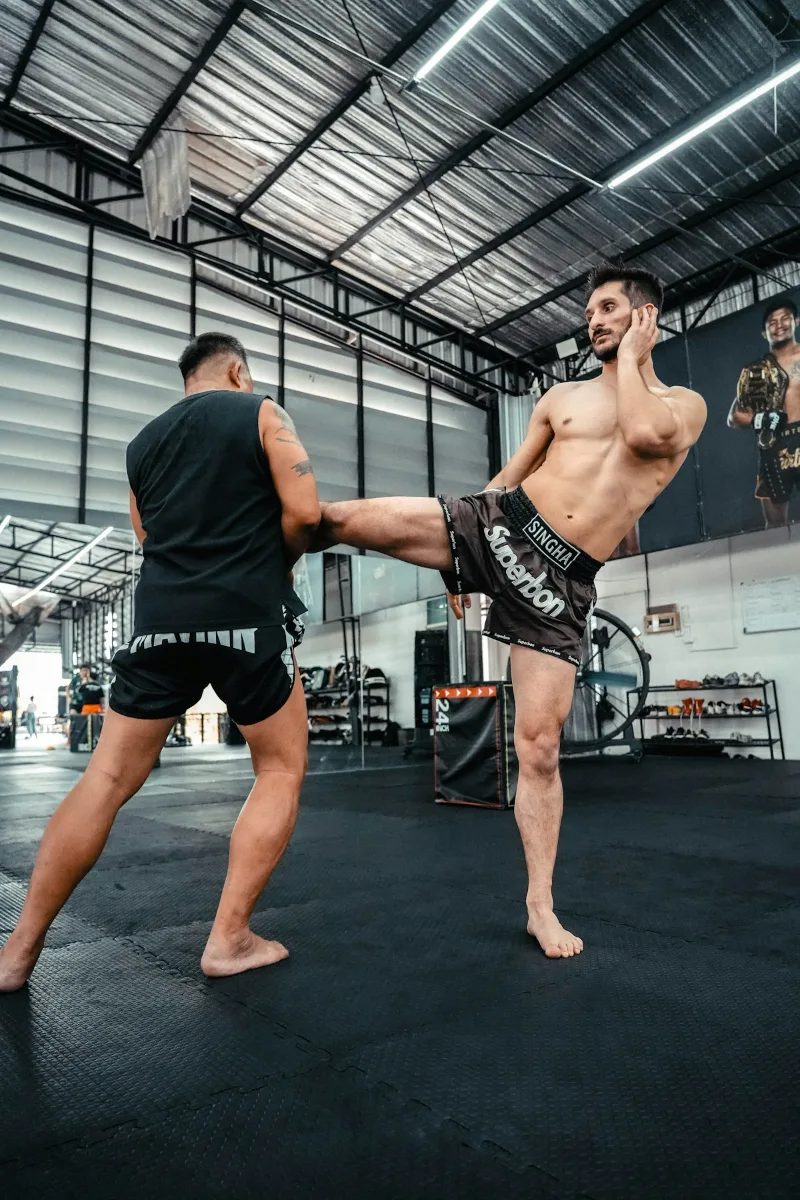
    Law enforcement officer practicing defensive control tactics during training

    What GMA’s Law Enforcement Program Covers

    Our law enforcement self defense training integrates techniques from multiple martial arts disciplines, each chosen for its practical application in the field.

    Standing control and takedowns. From HapKiDo, officers learn joint locks, wrist controls, and pressure point techniques that allow them to restrain a non-compliant subject with minimal force. These techniques work even when an officer is dealing with a larger, stronger individual — leverage and technique overcome size advantages.

    Ground control and recovery. Brazilian Jiu Jitsu training gives officers the ability to maintain control on the ground, transition to handcuffing positions, and get back to their feet safely if taken down. Ground fighting is where many officer assaults become dangerous — BJJ training directly addresses that vulnerability.

    Striking for distance and escape. TaeKwonDo and HapKiDo striking techniques teach officers to create distance when needed and deliver effective strikes to stop an immediate threat. The goal isn’t prolonged combat — it’s creating enough space to transition to a control hold, deploy tools, or call for backup.

    Weapon retention and defense. Our self defense program includes weapon retention drills that prepare officers for attempts to grab their sidearm, Taser, or other equipment. These scenarios are drilled under stress so the responses become automatic.
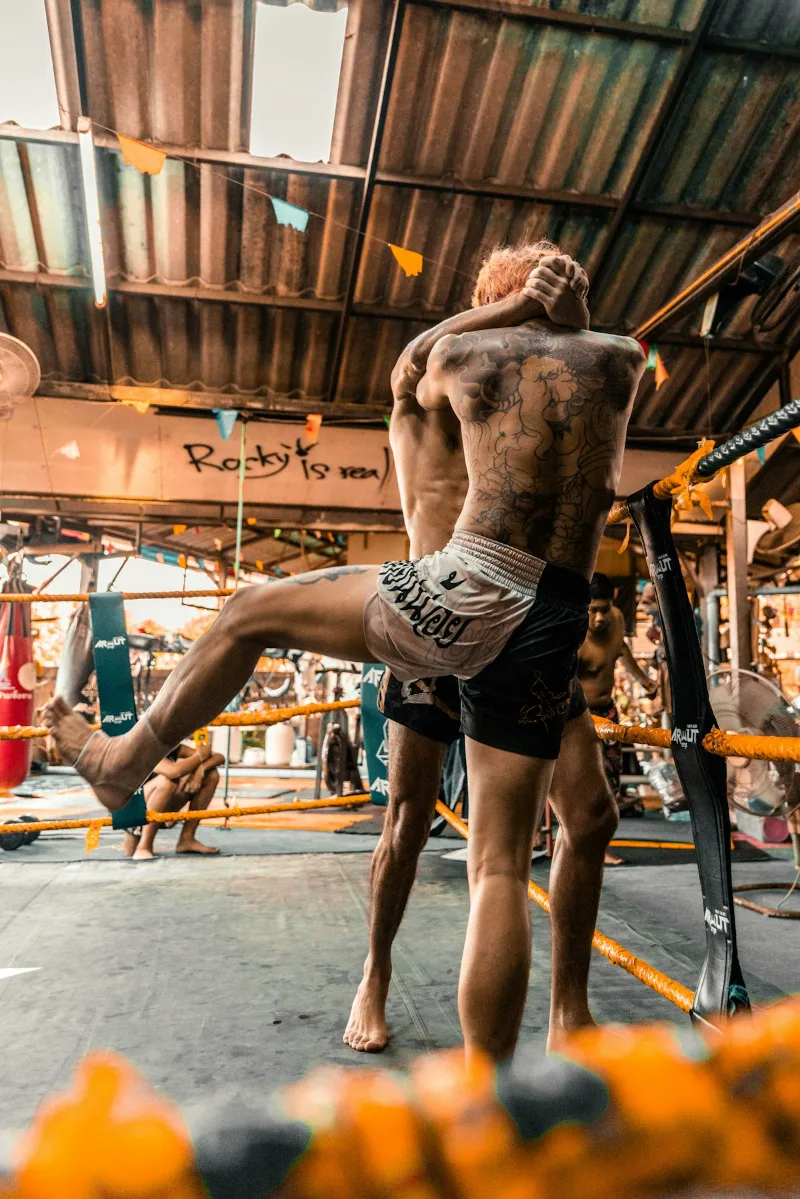
    Martial arts instructor demonstrating joint lock restraint technique for self defense

    The Benefits of Ongoing Martial Arts Training for Officers

    A single seminar helps, but consistent training is what builds the skills that save lives. Officers who train martial arts regularly at GMA report several benefits that extend beyond the physical techniques themselves.

    Reduced use-of-force incidents. Officers with hand-to-hand confidence are less likely to jump to higher force options. They can match the level of resistance proportionally, which reduces complaints, injuries, and liability.

    Better stress management. Law enforcement is one of the highest-stress professions in the country. Regular martial arts training provides a physical outlet that reduces accumulated stress, improves sleep quality, and builds mental resilience. The discipline and focus that martial arts cultivates carries directly into high-pressure job performance.

    Improved physical fitness. Martial arts training keeps officers in the functional fitness required for the job — cardiovascular endurance, grip strength, core stability, and flexibility. Unlike gym routines that isolate muscle groups, martial arts builds the integrated movement patterns that matter during a physical encounter.

    Team cohesion. When officers from the same department train together, they build trust and learn to work as a unit in physical confrontations. That training bond translates directly to better coordination on the street.
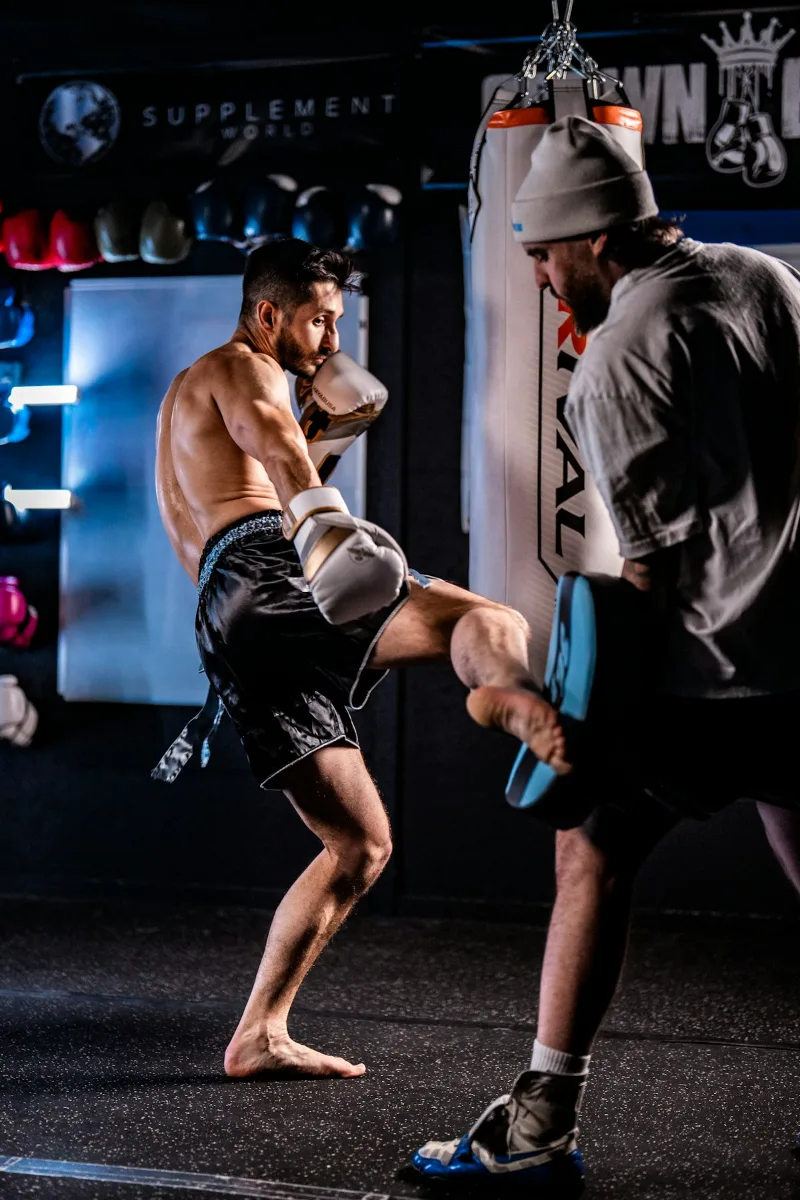
    First responders training tactical self defense techniques together as a team

    Seminars and Ongoing Training Options

    GMA offers flexible training formats to accommodate the demanding schedules of law enforcement and first responder professionals. Our seminars can be tailored to specific department needs — whether that’s a half-day workshop on ground control, a weapon retention refresher, or a multi-session program covering the full spectrum of defensive tactics.

    Officers are also welcome to join our regular class schedule. Many law enforcement professionals in the Gallatin and Sumner County area train alongside civilian students in our BJJ, HapKiDo, and self defense classes. The mixed training environment is valuable — officers get to practice techniques against a wide variety of body types, skill levels, and resistance levels.

    Grandmaster K.O. Spillmann, a 9th Degree TaeKwonDo Black Belt and IBJJF-certified BJJ Black Belt, has spent decades working with experienced fighters, law enforcement, the U.S. Military, and foreign military units. That depth of experience means our law enforcement curriculum isn’t theoretical — it’s built on what actually works under pressure, refined over 50+ years of real-world application.

    If your department is looking for defensive tactics training, or if you’re an individual officer who wants to sharpen your skills, practical self defense knowledge starts with the right training partner. GMA has been that partner for law enforcement in Middle Tennessee for decades.

    Ready to Get Started?

    Your first class is free. Whether you’re a complete beginner or an experienced martial artist, we’d love to welcome you to the GMA family.

    Call us at (731) 324-3847 or book your free trial online.

    Frequently Asked Questions

    Do officers need prior martial arts experience to attend GMA’s law enforcement training?

    No prior experience is required. Our law enforcement programs are designed to be accessible to officers at any skill level. We start with fundamentals and build from there, so whether you’ve never trained before or you’re a seasoned martial artist, the curriculum meets you where you are.

    Can GMA customize training for our department’s specific needs?

    Yes. We tailor seminars to focus on the scenarios and techniques most relevant to your department. Whether you need ground control refreshers, weapon retention drills, or a comprehensive defensive tactics program, we’ll build a curriculum that fits your team’s priorities and schedule.

  • Practical Self Defense Knowledge for Everyday Life

    Practical Self Defense Knowledge for Everyday Life

    Knowing practical self defense isn’t about learning to fight — it’s about learning to stay safe. Most dangerous situations can be avoided entirely with the right awareness, habits, and mindset. At Global Martial Arts USA in Gallatin, TN, we teach our students that real self defense starts long before a physical confrontation ever happens. This guide covers the core knowledge every person should carry with them, whether you’re walking to your car at night, traveling alone, or simply going about your daily routine.

    Below, you’ll learn the awareness principles, boundary-setting skills, physical basics, and environmental strategies that make up a well-rounded approach to personal safety.

    Situational Awareness: Your First Line of Practical Self Defense

    Situational awareness is the foundation of everything we teach in our self defense classes. It means paying active attention to your surroundings — who is nearby, what the exits are, and whether anything feels off. Attackers look for easy targets: people distracted by their phones, wearing headphones in both ears, or walking without purpose.

    Build these habits into your daily life. When you enter a room, restaurant, or parking garage, scan for exits. Keep your head up and make brief eye contact with people around you — this signals that you’re alert and aware. Avoid walking with your face buried in your phone, especially in unfamiliar or poorly lit areas. These small adjustments don’t require any training at all, but they dramatically reduce your risk.

    At GMA, we call this “reading the room before the room reads you.” Our instructors, backed by over 50 years of martial arts experience, emphasize that the best fight is the one you never have to be in.

    Person walking confidently on a sidewalk practicing situational awareness for self defense

    Setting Boundaries and De-Escalation

    Most confrontations don’t start with a punch — they start with a conversation. Someone approaches you aggressively, invades your personal space, or tries to provoke a reaction. Knowing how to set a firm verbal boundary is one of the most valuable self defense skills you can develop.

    Use a clear, assertive voice. Face the person, keep your hands up in a non-threatening but ready position (palms out, roughly chest height), and use direct language: “Back up,” “I don’t want any trouble,” or simply “Stop.” This does two things — it establishes that you’re not an easy target, and it creates witnesses if anyone is nearby.

    De-escalation isn’t weakness. Walking away from a heated argument, crossing the street to avoid a suspicious person, or leaving a venue when tensions rise — these are smart decisions, not cowardly ones. The students in our HapKiDo program learn this principle early: control the situation before it controls you.

    Physical Basics Everyone Should Know

    If avoidance and de-escalation fail, you need a small set of reliable physical responses. You don’t need a black belt to protect yourself. You need a few techniques practiced enough that they become instinctive under stress.

    Create distance. Your first goal in any physical encounter is to create space between you and the threat. Push away, step back, and look for an escape route. Running is always a valid self defense strategy.

    Break a grab. If someone grabs your wrist, pull sharply toward the gap between their thumb and fingers — the weakest point of any grip. Combine this with a loud shout to startle the attacker and attract attention.

    Strike to escape. If you must strike, target areas that create maximum effect with minimum skill: an open-palm strike to the nose, a knee to the groin, or a stomp to the top of the foot. These aren’t about winning a fight — they’re about creating a window to get away safely.

    Protect your head. Keep your chin down, hands up, and elbows tight. If you’re knocked to the ground, curl into a protective position, cover your head, and get back to your feet as quickly as possible.

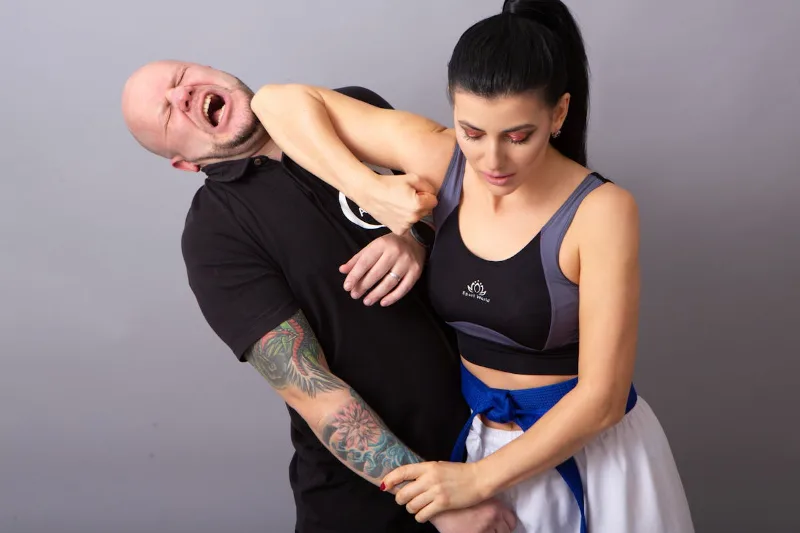
    Woman practicing self defense elbow strike technique during martial arts training class

    Safety Strategies for Common Scenarios

    Practical self defense means thinking ahead about the situations you encounter regularly. Here are strategies for some of the most common ones.

    Parking lots and garages. Have your keys in hand before you leave the building. Check the back seat before getting in. Park near lights and high-traffic areas when possible. If someone is loitering near your car, don’t approach — go back inside and ask for an escort or call for help.

    Walking alone. Stay on well-lit, populated routes. Walk with purpose and confidence. If you feel followed, cross the street or change direction. Step into a store, restaurant, or any open business. Trust your instincts — if something feels wrong, act on that feeling.

    Rideshares and taxis. Verify the driver’s name, car model, and license plate before getting in. Share your trip details with a friend or family member. Sit in the back seat on the passenger side for the easiest exit.

    At home. Keep doors locked, even when you’re inside. Don’t open the door to unexpected visitors without verifying who they are. If you arrive home and something looks wrong — a door ajar, a broken window — don’t go in. Call 911 from a neighbor’s house or your car.

    Why Training Makes the Difference

    Reading about self defense is a good start, but it’s no substitute for hands-on practice. Under stress, your body defaults to what it has rehearsed. That’s why students who train regularly at GMA respond faster, think more clearly, and carry themselves with a confidence that discourages trouble in the first place.

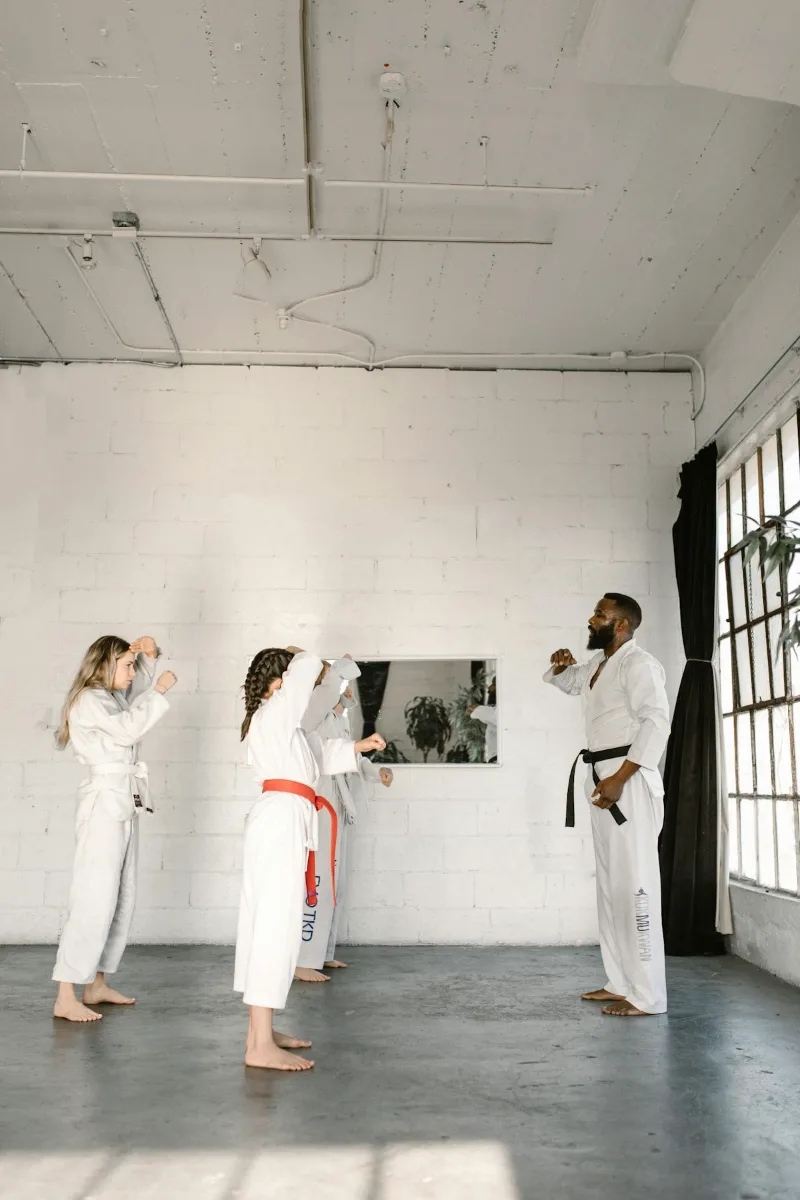
    Martial arts instructor teaching self defense techniques to students in a training class

    Our self defense curriculum draws from multiple disciplines — TaeKwonDo for powerful striking, HapKiDo for joint locks and control, and Brazilian Jiu Jitsu for ground defense. This multi-discipline approach, refined over 50+ years by our instructors, gives students a well-rounded skill set that works in real situations, not just in the dojang.

    Whether you’re a current student looking to sharpen your awareness or someone considering martial arts training for the first time, the principles in this guide are ones you can start applying today. And if you want to take your skills further, our belt ranking system provides a clear path of progression that builds confidence at every level.

    Ready to Get Started?

    Your first class is free. Whether you’re a complete beginner or an experienced martial artist, we’d love to welcome you to the GMA family.

    Call us at (731) 324-3847 or book your free trial online.

    Frequently Asked Questions

    What is the most important self defense skill for everyday life?

    Situational awareness. Being alert to your surroundings, identifying exits, and recognizing potential threats before they escalate is far more effective than any physical technique. Most dangerous situations can be avoided entirely when you stay aware and trust your instincts.

    Do I need martial arts training to defend myself?

    You don’t need a black belt to stay safe. The awareness habits, boundary-setting skills, and basic physical responses covered in this guide are available to everyone. However, regular training builds muscle memory and confidence that make these skills more effective under real stress. Even a few months of consistent practice can make a significant difference.

    What martial arts style is best for practical self defense?

    There’s no single best style — each discipline covers different scenarios. TaeKwonDo builds striking power and distance management, HapKiDo teaches joint locks and control techniques, and Brazilian Jiu Jitsu covers ground defense. At GMA, our self defense program combines elements from multiple arts so students develop a well-rounded skill set that works in real situations.