
The best personal safety tips have nothing to do with throwing a punch. Real safety starts in your head — with how you carry yourself, how you read a room, and how early you notice when something is off. At Global Martial Arts USA in Gallatin, TN, our instructors have spent more than 50 years teaching students that awareness is the skill that prevents trouble long before any physical confrontation begins.
This guide breaks down situational awareness into something you can actually use: the four levels of alertness, practical habits for everyday life, and how to trust the instincts that keep you safe. None of it requires a black belt — just attention and a little practice.
What Situational Awareness Really Means
Situational awareness is simply paying active attention to your environment and the people in it. It’s noticing who is around you, where the exits are, and whether a situation feels right before it has a chance to become dangerous. It’s the foundation of everything we teach in our self defense classes, because the overwhelming majority of bad outcomes are avoidable when you see them coming.
Attackers and opportunists look for easy targets — people distracted by their phones, wearing headphones in both ears, or moving through the world without paying attention. When you look alert and engaged, you stop fitting that profile. We tell our students to “read the room before the room reads you.” That single habit does more for your safety than any technique.
The goal isn’t to live in fear or treat every stranger as a threat. It’s the opposite: awareness lets you relax because you’re informed. You know your surroundings, so you can enjoy them without being caught off guard.
The Four Levels of Awareness (Cooper’s Color Code)
One of the most useful frameworks for understanding awareness was developed by Jeff Cooper, a U.S. Marine, and it has been used to train military and law enforcement for decades. Known as the Cooper Color Code, it sorts your mental state into four levels — and the goal is simply to spend your time in the right one.
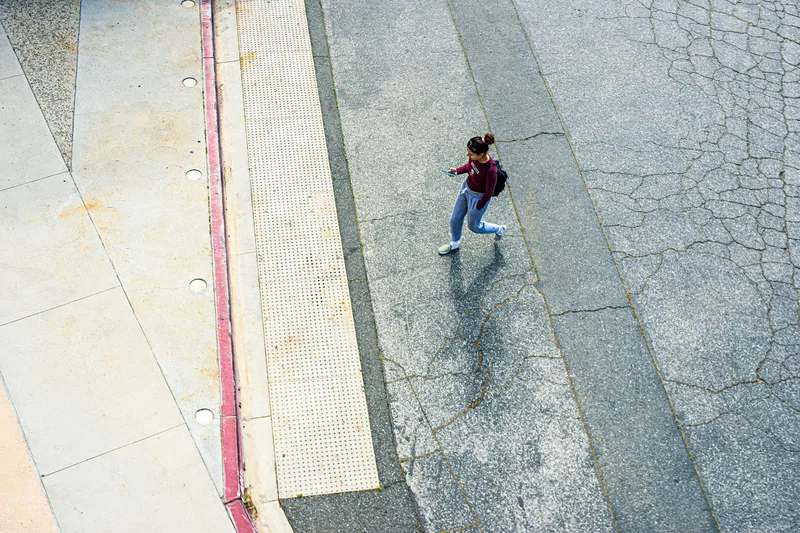
Condition White is total switched-off — completely unaware of your surroundings. This is scrolling your phone while walking, or sitting in a parked car lost in thought. White is fine when you’re safe at home with the doors locked, but out in the world it makes you an easy target.
Condition Yellow is relaxed alertness, and it’s where you want to live whenever you’re out in public. You’re not paranoid or tense — you’re just calmly aware. You notice who comes and goes, you clock the exits, and nothing surprises you. You can stay in Yellow indefinitely without stress.
Condition Orange is heightened focus on a specific possible threat. You’ve spotted something that doesn’t add up — a person following you, someone approaching too fast — and you start forming a plan. What would I do if this goes wrong? Where’s my exit?
Condition Red is action. The threat is real and you respond — escape, shout for help, or defend yourself. Because you moved through Yellow and Orange first, you reach Red already prepared instead of frozen in shock.
Everyday Personal Safety Tips That Actually Work
Awareness becomes powerful when you build it into ordinary routines. These are the personal safety tips we share most often with new students, because they require zero training and pay off immediately.
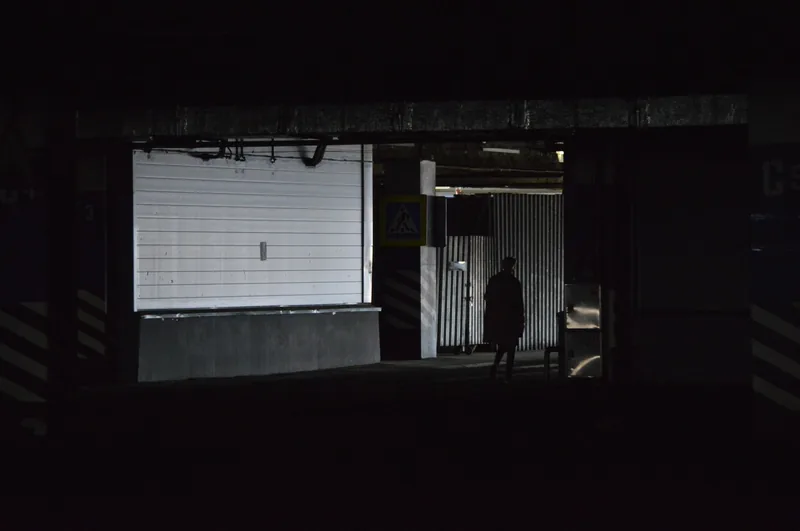
In parking lots and garages: Have your keys in hand before you leave the building. Scan the area as you walk, check the back seat before getting in, and park near lights and foot traffic when you can. If someone is loitering near your car, don’t approach — go back inside and ask for an escort.
Walking alone: Stay on well-lit, populated routes and walk with purpose. Keep at least one ear free of headphones. If you think you’re being followed, cross the street, change direction, or step into any open business. Confident body language alone discourages most would-be attackers.
With rideshares and taxis: Confirm the driver’s name, the car model, and the license plate before you get in. Share your trip with a friend, and sit in the back on the passenger side for the easiest exit.
At home: Keep doors locked even while you’re inside, and verify anyone before opening up. If you come home to a door ajar or a broken window, don’t go in — call for help from your car or a neighbor’s.
Trust Your Instincts and Use the OODA Loop
That uneasy feeling when something is “off” is not paranoia — it’s your brain processing danger signals faster than your conscious mind can explain them. One of the most important personal safety lessons we teach is simple: trust that feeling and act on it. Cross the street, leave the venue, or make the call. You never owe a stranger your politeness at the expense of your safety.
A helpful way to think about responding under pressure is the OODA loop — Observe, Orient, Decide, Act — a decision-making cycle developed by U.S. Air Force Colonel John Boyd. You observe what’s happening, orient by making sense of it, decide on a response, and act. Then you start the loop again with fresh information. Staying in Condition Yellow keeps that loop running smoothly, so when a real threat appears you’re already several steps ahead of it.
De-escalation is part of this too. If someone confronts you, a firm verbal boundary — facing them, hands up at chest height, saying “Back up” in a clear voice — often ends the situation before it escalates. Walking away from a heated argument isn’t weakness; it’s the smartest move you can make. The students in our HapKiDo program learn to control a situation before it ever controls them.
How Training Sharpens Your Awareness
Reading about personal safety is a strong start, but under real stress your body defaults to what it has rehearsed. That’s why students who train regularly respond faster, think more clearly, and carry themselves with a quiet confidence that discourages trouble in the first place. Awareness, boundary-setting, and physical response all get sharper with practice.
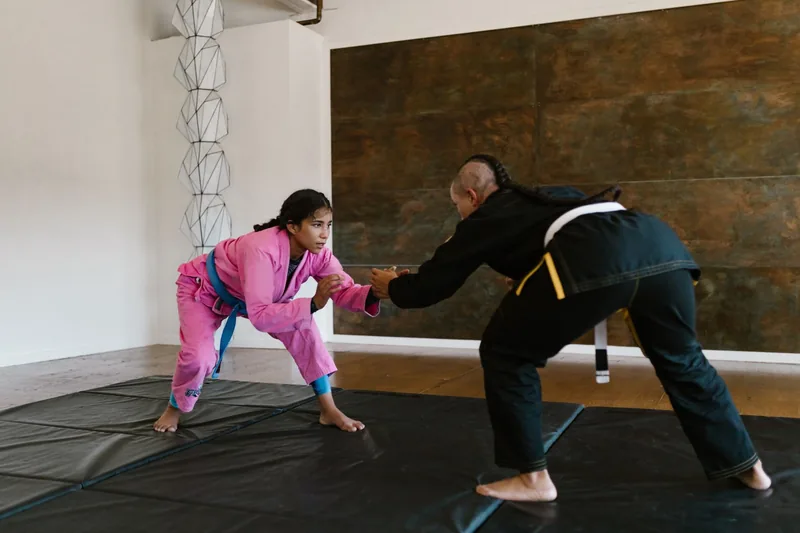
Our program draws from multiple disciplines — TaeKwonDo for striking and distance management, HapKiDo for joint locks and control, and Brazilian Jiu Jitsu for ground defense. This multi-discipline approach, refined over 50+ years by our instructors in Gallatin, gives students a well-rounded skill set for real situations. If you’re weighing which style fits you, our guide to the best martial art for self defense breaks down the options, and our overview of practical self defense knowledge goes deeper on the everyday fundamentals.
Whether you’re a current student sharpening your awareness or someone considering training for the first time, the principles in this guide are ones you can start using today — and they only get stronger when you train them.
Ready to Get Started?
Your first class is free. Whether you’re a complete beginner or an experienced martial artist, we’d love to welcome you to the GMA family.
Call us at (731) 324-3847 or book your free trial online.
Frequently Asked Questions
What is the most important personal safety skill?
Situational awareness. Staying alert to your surroundings, noticing exits, and recognizing when something feels wrong prevents far more dangerous situations than any physical technique. Most threats can be avoided entirely when you see them developing and act early.
How do I improve my situational awareness day to day?
Aim to spend your time in public in “Condition Yellow” — relaxed but aware. Keep your head up, limit phone and headphone distractions, scan for exits when you enter a space, and trust your instincts the moment something feels off. With a little practice these habits become automatic.
Do I need martial arts training to stay safe?
No. The awareness habits and personal safety tips in this guide are available to everyone and require no training. That said, regular practice builds the muscle memory and confidence that make these skills far more reliable under real stress, which is why so many students start with a free trial class at GMA.