
Whether you’re flying overseas, road-tripping to a new city, or heading out for a weekend trip, the best travel safety tips have less to do with fear and more to do with preparation. A little planning before you leave — and a habit of staying aware once you arrive — keeps the overwhelming majority of travel problems from ever happening. At Global Martial Arts USA in Gallatin, TN, our instructors have spent more than 50 years teaching students that awareness is the skill that prevents trouble long before it starts, and that principle travels with you anywhere.
This guide walks through practical travel safety for every stage of a trip: how to prepare before you go, how to stay secure at your hotel, how to move through an unfamiliar place with confidence, and how to protect your documents and information. None of it requires a black belt — just attention and a few smart habits.
Before You Go: Travel Safety Starts at Home
Most of your safety is decided before you ever leave your driveway. Research your destination ahead of time — neighborhoods to favor, areas to avoid after dark, local emergency numbers, and the address of the nearest hospital or embassy. Knowing these details in advance means you’re never scrambling for them in a stressful moment.
Share your itinerary with someone you trust at home, including flight numbers, hotel details, and rough daily plans. Set up a simple check-in schedule so someone always knows roughly where you should be. If you’re traveling internationally, enroll for free in the U.S. State Department’s Smart Traveler Enrollment Program (STEP) at step.state.gov — it sends you safety, weather, and security alerts from the nearest U.S. embassy and helps officials reach you in an emergency.
Finally, make copies of your important documents. Photograph your passport, ID, and travel insurance, store them in a secure cloud folder, and leave a printed copy with your emergency contact. If your wallet or bag ever goes missing, replacing everything is far easier when the records already exist.
Staying Safe at Your Hotel or Lodging
Your hotel is your home base, so treat it like one. When you can, request a room between the second and fourth floor. That range is high enough to discourage easy ground-floor break-ins through a window, yet low enough that fire-truck ladders can still reach you — most ladders top out around the fourth floor. It’s a small request that stacks the odds in your favor.
As soon as you check in, get oriented. Locate the two nearest stairwells and count the doors between your room and the exit, because in a real emergency the hallway may be dark or smoky. Read the evacuation map on the back of the door, and note where the fire alarms and extinguishers are. Once you’re in the room, always use the deadbolt and the secondary latch or chain — the automatic door lock alone is not enough.
Keep valuables in the in-room safe or with you, never loose on a nightstand, and hang the “Do Not Disturb” sign when you’re out to suggest the room is occupied. These are the same situational-awareness instincts we drill in our self defense classes: know your exits, control your space, and never assume a place is safe just because it looks calm.
Everyday Travel Safety Tips for Getting Around
Once you’re exploring, the goal is to look like you belong. Attackers and pickpockets look for easy targets — people who are distracted, lost, or obviously flashing valuables. These are the travel safety tips that pay off the moment you step outside:
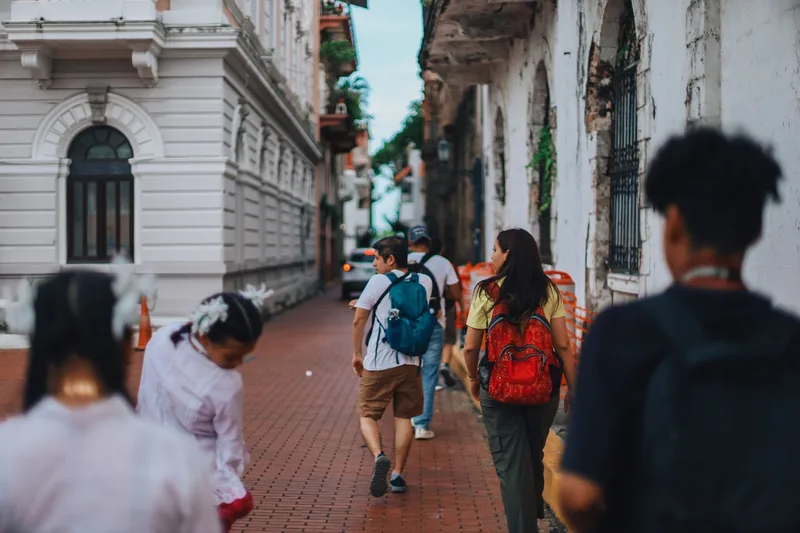
Blend in. Dress simply, leave expensive jewelry and watches at home, and check maps discreetly on your phone or duck into a shop rather than standing on a corner looking confused. Confident, purposeful movement alone discourages most trouble.
Guard your money and valuables. Split your cash and cards between two locations — some in a front pocket or money belt, a backup stashed in your bag. Carry bags across your body with the zipper facing in, and stay especially alert in crowds, on public transit, and at tourist hotspots where pickpockets work.
Use transportation wisely. Stick to licensed taxis or trusted rideshare apps, and before you get in, confirm the driver’s name, the car model, and the license plate. Share the trip with a friend and sit in the back seat for the easiest exit. Trust your instincts — if a ride, a street, or a situation feels wrong, don’t get in, and leave.
Protecting Your Documents and Digital Information
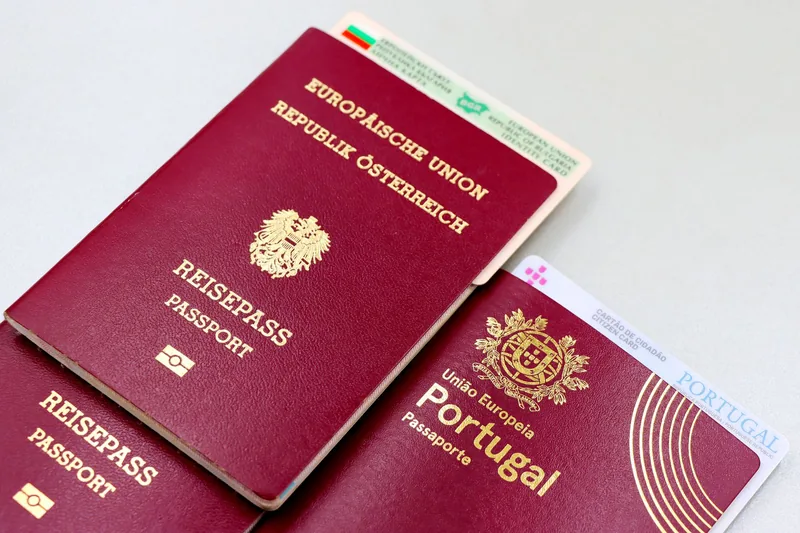
Modern travel safety isn’t only physical. Keep your passport and primary ID secured in your hotel safe and carry a copy plus a secondary form of ID when you’re out. That way a lost or stolen wallet doesn’t strand you without proof of who you are.
Be cautious with public Wi-Fi. Open networks at airports, cafes, and hotels are easy places for someone to intercept your data, so avoid logging into banking or entering passwords unless you’re using a trusted VPN or your own cellular connection. Enable a screen lock and “find my device” tracking on your phone before you leave, and back up your photos and files to the cloud so a lost device is an inconvenience, not a disaster.
Watch out for common scams, too. Overly friendly strangers who create a distraction, “official” requests for your documents on the street, or too-good-to-be-true deals are red flags in any city. When something feels off, that instinct is your brain processing danger faster than your conscious mind can — act on it.
How Training Prepares You to Travel Confidently
Everything on this list comes back to one skill: awareness. The traveler who notices the exits, reads the room, and carries themselves with quiet confidence is a far harder target than someone lost in their phone. That mindset is exactly what consistent martial arts training builds — and it’s the same foundation we cover in depth in our guide to personal safety and situational awareness.
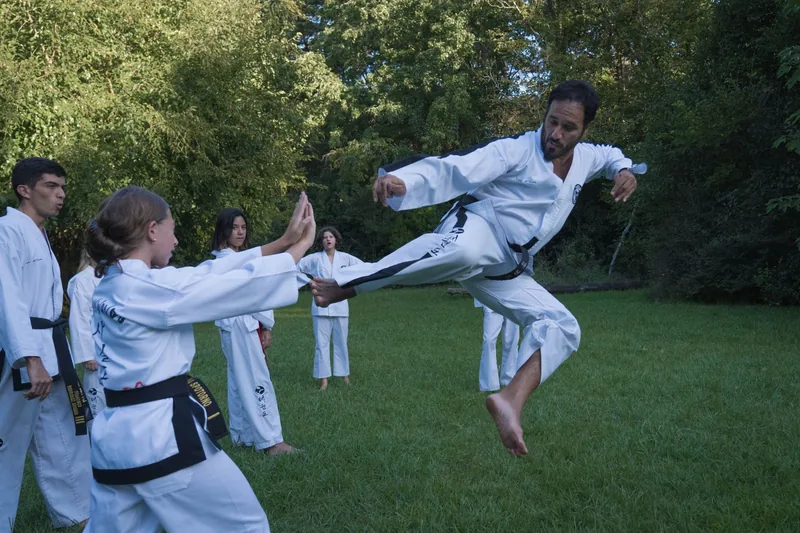
Our program draws from multiple disciplines — TaeKwonDo for striking and distance, HapKiDo for joint locks and control, and Brazilian Jiu Jitsu for ground defense — refined over 50+ years by our instructors in Gallatin. If you’re weighing which style fits you, our comparison of the best martial art for self defense breaks down the options. You don’t need to be an expert to travel safely, but the confidence and reflexes that training builds make every one of these habits more reliable when it counts.
Whether your next trip is across the state or across the world, these principles are ones you can start practicing today — at the airport, in the hotel, and on every street in between.
Ready to Get Started?
Your first class is free. Whether you’re a complete beginner or an experienced martial artist, we’d love to welcome you to the GMA family.
Call us at (731) 324-3847 or book your free trial online.
Frequently Asked Questions
What are the most important travel safety tips?
Preparation and awareness matter most. Research your destination, share your itinerary with someone at home, secure copies of your documents, and stay alert to your surroundings once you arrive. Most travel problems are avoidable when you plan ahead and notice trouble developing early, long before any physical confrontation.
What floor should I request at a hotel for safety?
Aim for a room between the second and fourth floor. That range is high enough to deter easy ground-floor break-ins through a window, but low enough that fire-truck ladders — which usually reach only to about the fourth floor — can still get to you in an emergency. Always locate the nearest stairwells when you check in.
Do I need self defense training to travel safely?
No. The awareness habits and travel safety tips in this guide require no training and work for everyone. That said, regular martial arts practice sharpens your situational awareness and builds the confidence and reflexes that make these habits far more reliable under real stress, which is why many students start with a free trial class at GMA.