Category: Tai Chi

Tai Chi practice guides, health benefits, forms, balance, flexibility, and wellness for all ages.

  • Yang Style Tai Chi: The Most Popular Form Explained

    Yang Style Tai Chi: The Most Popular Form Explained

    Yang style tai chi is the most widely practiced martial art in the world. More people train it daily than any other combat system — not because it’s the most explosive or competitive, but because it works. Its slow, expansive movements build real balance, reduce stress, and develop the kind of body awareness that carries into everything you do. At Global Martial Arts USA in Gallatin, TN, our tai chi program is rooted in Yang style — the same tradition our instructors have taught for over 50 years.

    If you’re new to tai chi or want to understand what separates Yang style from other forms, this guide covers the history, the forms, the core movements, and the documented health benefits that have made this practice a global phenomenon.

    The Origins of Yang Style Tai Chi

    Yang style tai chi traces its roots to Yang Luchan (1799–1872), a Chinese peasant’s son who became one of the most respected martial artists of his era. As a young man, Yang traveled to Chen Village in Henan Province and studied under Chen Changxing, a 14th-generation master of the original Chen style of tai chi. Chen style at the time featured explosive bursts of power, vigorous stomps, and demanding physical requirements that made it largely inaccessible to the general population.

    What Yang Luchan did next changed the course of Chinese martial arts. He systematically softened and restructured those Chen movements — removing the high-impact elements and replacing them with large, slow, continuous motions performed at an even pace. The result was a system that kept all the martial depth of Chen style while opening the practice to students of every age, fitness level, and physical condition.

    His grandson Yang Chengfu (1883–1936) completed this evolution. Yang Chengfu standardized the form the world practices today — a flowing sequence characterized by upright posture, fully relaxed muscles, slow even tempo, and large, expansive arm movements. He taught widely across China, attracting students from every background, and cemented Yang style as the dominant form of tai chi practiced globally.

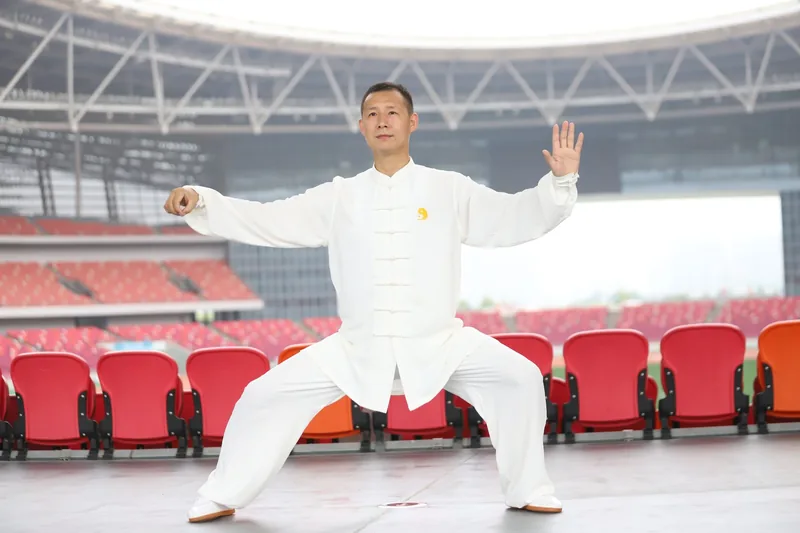
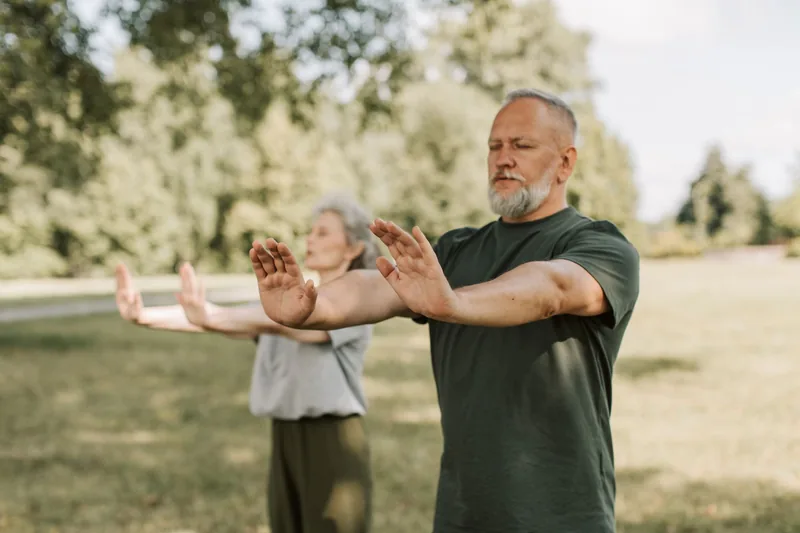
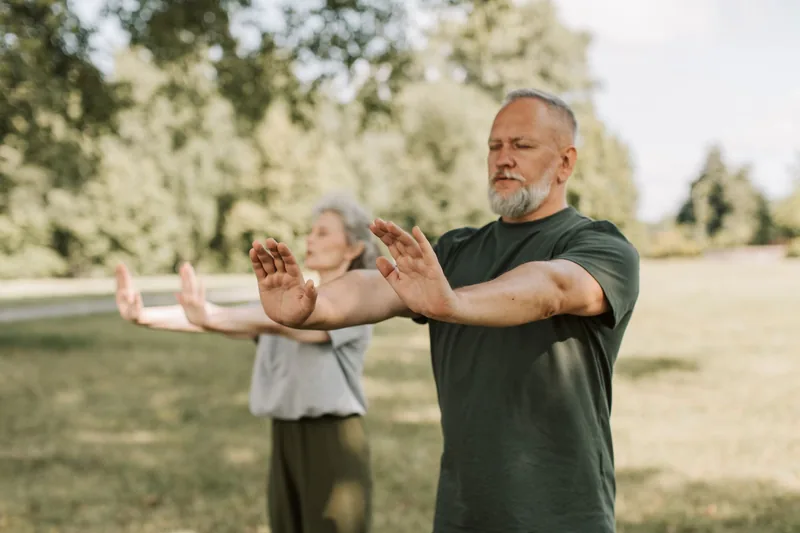
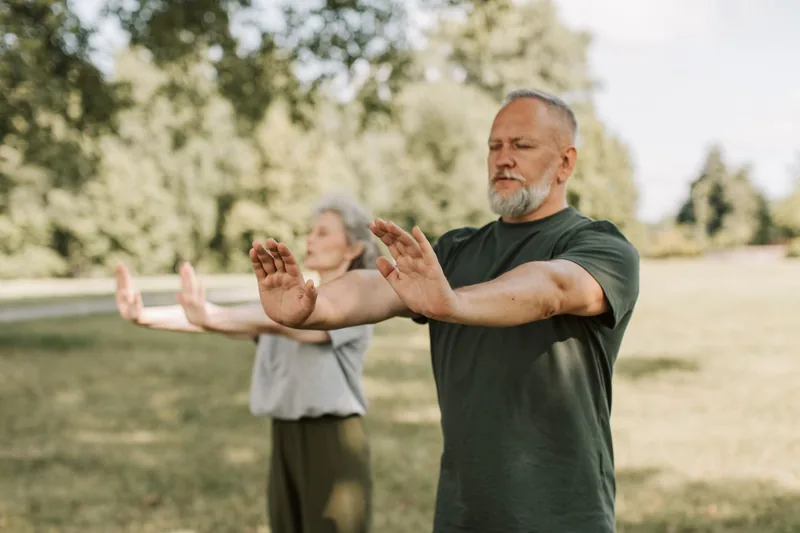
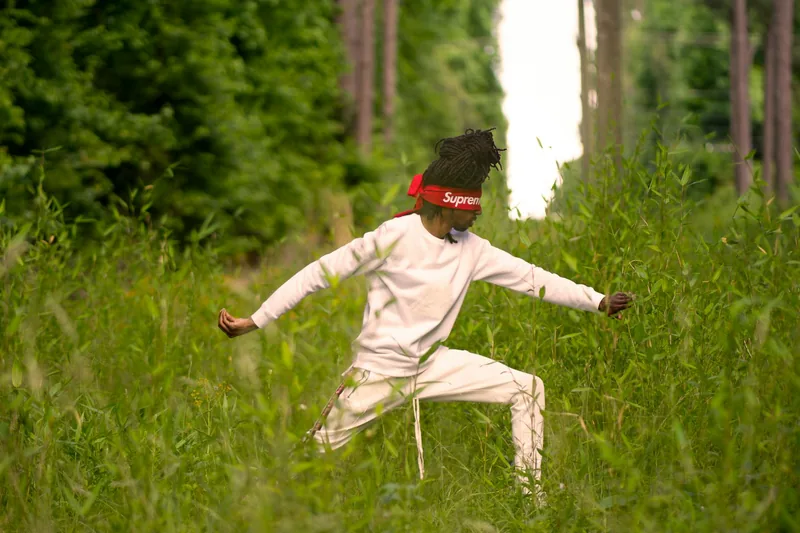
    Man demonstrating Yang style tai chi stance in a park setting

    What Sets Yang Style Apart From Other Tai Chi Styles

    There are five recognized major styles of tai chi: Yang, Chen, Wu, Wu Hao, and Sun. Each has distinct characteristics, but Yang stands apart for reasons that go beyond simple popularity.

    Large frame movements. Yang style uses expansive, open postures with fully extended arms and wide stances. This makes the movements easier to see, easier to learn, and easier to correct — an important advantage for beginners and for older practitioners who benefit from greater range-of-motion training.

    Consistent, even pace. Unlike Chen style, which alternates between slow movement and sudden explosive bursts, Yang style maintains a steady, unhurried tempo from start to finish. That consistency makes it far easier to develop internal focus and breathing coordination without sudden cardiovascular demands.

    Upright, natural posture. Yang style emphasizes a straight spine and relaxed shoulders throughout every movement. This postural training carries directly into daily life — better standing alignment, reduced lower back tension, and improved gait mechanics over time.

    Accessible but deep. Yang style is an entry point, but it’s also a lifelong practice. The same movements that a new student learns in their first weeks contain layers of martial application, internal energy development, and meditative depth that advanced practitioners continue to explore for decades. Our tai chi for beginners guide covers what that first introduction looks like in class.
    The Yang Style Forms: The 24 Form and the Traditional Long Form

    Yang style tai chi is learned through its forms — pre-choreographed sequences of movements performed in a specific order. Two forms define most Yang style practice worldwide.

    The 24 Form (Beijing Form). Created in 1956 by China’s National Physical Culture and Sports Commission, the 24 Form condenses the traditional Yang style sequence into 24 movements that teach all the core principles of the practice. It takes approximately five to eight minutes to perform at the standard slow pace. Most beginners start here, and many practitioners spend years deepening their 24 Form before advancing to longer sequences. The selection of movements is deliberate — every position is a foundational building block for what comes next in the full system.

    The Traditional Long Form (85/108 Form). Yang Chengfu’s original standardized sequence contains between 85 and 108 postures depending on how the practitioner counts stopping points. Where the 24 Form is a concentrated introduction, the long form develops stamina, continuity, and a deeper understanding of how movements connect into a coherent martial and health system. Advanced students at GMA work through the long form after building a solid foundation with the 24.

    Tai chi practitioner performing Yang style form at sunset with city skyline

    Health Benefits of Yang Style Tai Chi

    The research literature on Yang style tai chi is more substantial than almost any other traditional martial art — largely because it’s the most widely practiced and therefore the most studied. A summary of what the evidence consistently shows:

    Balance and fall prevention. Multiple meta-analyses confirm that regular Yang style tai chi practice significantly reduces fall risk in older adults. The weight-shifting, single-leg stance work, and postural demands of the forms create the kind of neuromuscular coordination that protects against falls in real-world conditions — on uneven ground, on stairs, when changing direction quickly.

    Cardiovascular health. Studies published in peer-reviewed journals have found that Yang style tai chi reduces systolic blood pressure in hypertensive patients and improves markers of cardiovascular function without the joint stress of higher-impact exercise. It provides a meaningful cardiovascular stimulus at a level that’s sustainable long-term.

    Stress and mental health. The combination of slow movement, focused breathing, and meditative attention required by Yang style practice activates the parasympathetic nervous system. Regular practitioners consistently report reduced anxiety, improved sleep quality, and a calmer baseline response to daily stressors. For a full breakdown of what the research shows, see our post on the health benefits of tai chi.

    Joint health and longevity. Yang style’s non-impact, low-load movements are gentle on knees, hips, and ankles while still building strength and flexibility in the muscles that support those joints. This makes it particularly well-suited for people managing arthritis, recovering from injury, or simply looking for exercise that won’t wear down their joints over decades of consistent training.

    Woman practicing yang style tai chi balance pose outdoors in natural setting

    Learning Yang Style Tai Chi at GMA in Gallatin, TN

    Global Martial Arts USA has taught Yang style tai chi in Gallatin, TN for over 50 years. Our instructors bring both health and martial expertise to every class — understanding why each movement exists changes how you practice it, and that depth of instruction is what separates a real tai chi program from a fitness video.

    GMA has been voted the top martial arts school in Sumner County. Our tai chi classes are open to all ages and fitness levels. You don’t need to be flexible, athletic, or young to start. Yang style meets you exactly where you are. No special equipment is needed — just comfortable, loose-fitting clothing and a willingness to slow down.

    Whether you’re drawn to the health benefits, the meditative quality, or the underlying martial art, you’ll find a curriculum that builds from the fundamentals up. You can also explore our full class lineup — TaeKwonDo, Brazilian Jiu Jitsu, HapKiDo, Wing Chun, and more — all taught under one roof by certified instructors.

    Ready to Get Started?

    Your first class is free. Whether you’re a complete beginner or an experienced martial artist, we’d love to welcome you to the GMA family.

    Call us at (731) 324-3847 or book your free trial online.

    Frequently Asked Questions

    Is Yang style tai chi good for seniors?

    Yes — Yang style is one of the best practices for older adults specifically because of its low-impact, weight-bearing movements. The slow, controlled weight shifts and single-leg stances build the balance and leg strength that reduce fall risk, while the relaxed, unhurried pace keeps it accessible for people with joint pain, limited flexibility, or cardiovascular concerns. Multiple clinical studies have validated Yang style tai chi as an effective intervention for fall prevention and balance improvement in adults over 60.

    How long does it take to learn Yang style tai chi?

    Most students can learn the 24 Form movements within three to six months of consistent weekly practice. Understanding the physical sequence is the first layer — refining your breathing coordination, internal relaxation, and body awareness is a lifelong process that deepens with every session. The traditional long form (85–108 movements) typically takes another year or two to learn and several more to master.

    What’s the difference between Yang style and Chen style tai chi?

    Chen style is the original form of tai chi, developed in Chen Village, Henan Province. It alternates between slow, flowing movements and sudden explosive bursts of power (called fa jin), and includes more physically demanding elements like deep squats and vigorous stomps. Yang style, which was derived from Chen style in the 19th century, removes the explosive elements and standardizes the pace into one continuous, slow, even flow. Yang style is generally considered more accessible for beginners and health-focused practitioners, while Chen style attracts students interested in the more overt martial applications.

  • Tai Chi Benefits: What Science Says

    Tai Chi Benefits: What Science Says

    The research on tai chi benefits has grown from a handful of small studies to hundreds of peer-reviewed trials spanning decades. What researchers have found consistently is this: a practice built on slow, deliberate movement and controlled breathing produces measurable improvements in balance, stress response, cardiovascular function, and joint health — without the injury risk of high-impact training. At Global Martial Arts USA in Gallatin, TN, we’ve taught tai chi for more than 50 years, and the science now backs what our instructors have observed in students since the beginning: steady practice changes how the body ages.

    This guide covers the most significant evidence-based tai chi benefits — what the research shows, which conditions respond best, and how those gains translate into everyday life.

    Balance and Fall Prevention: The Most Documented Tai Chi Benefit

    Falls are the leading cause of injury-related death among adults over 65, and preventing them is one area where tai chi research has produced some of the strongest evidence in all of exercise science. A landmark meta-analysis published in JAMA Internal Medicine examined 10 randomized controlled trials and found that tai chi reduced fall risk in older adults by up to 50 percent — outperforming both conventional balance training and stretching programs. The CDC and the National Council on Aging both list tai chi among their top-recommended fall prevention interventions.

    What makes tai chi effective for balance goes beyond simple leg strengthening. The practice constantly trains weight shifting — moving your center of gravity from foot to foot in controlled, deliberate ways that directly mirror the movements that cause falls in real life. Over time, practitioners develop improved proprioception (the body’s sense of its own position in space), stronger stabilizing muscles in the ankles and hips, and a trained reflex to recover when balance is disrupted. These aren’t abstract benefits. They show up as fewer stumbles, more confident movement on uneven ground, and faster recovery from unexpected slips. For older adults looking for a gentle entry point, our guide to tai chi for seniors covers how to adapt the practice to different fitness levels and mobility needs.

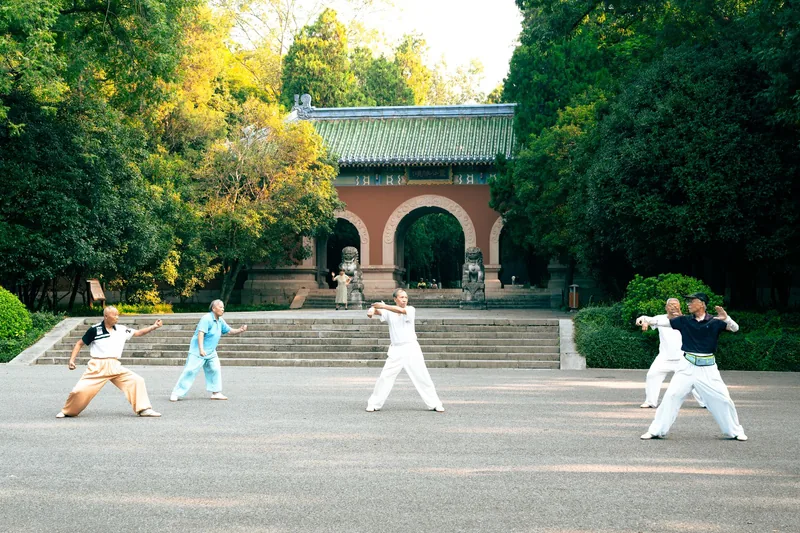
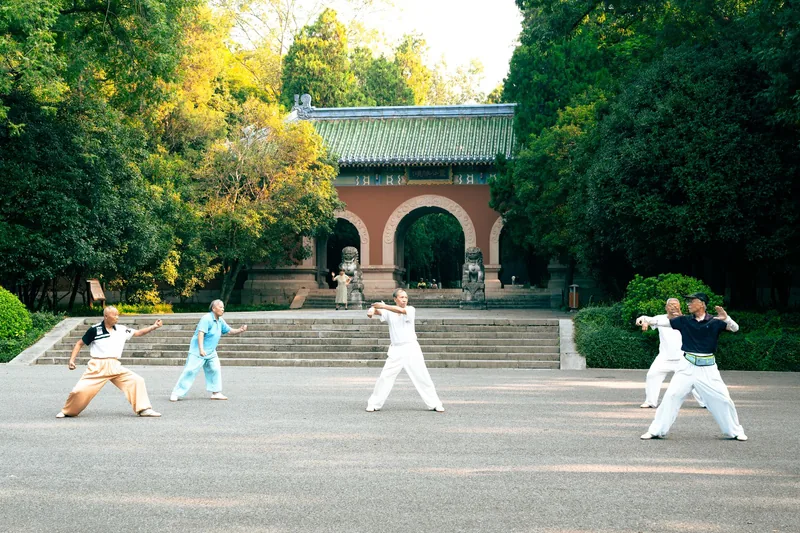
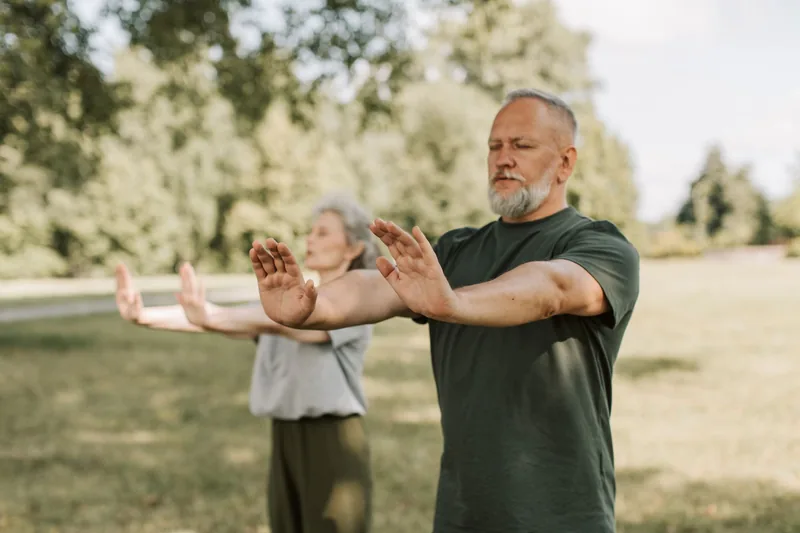
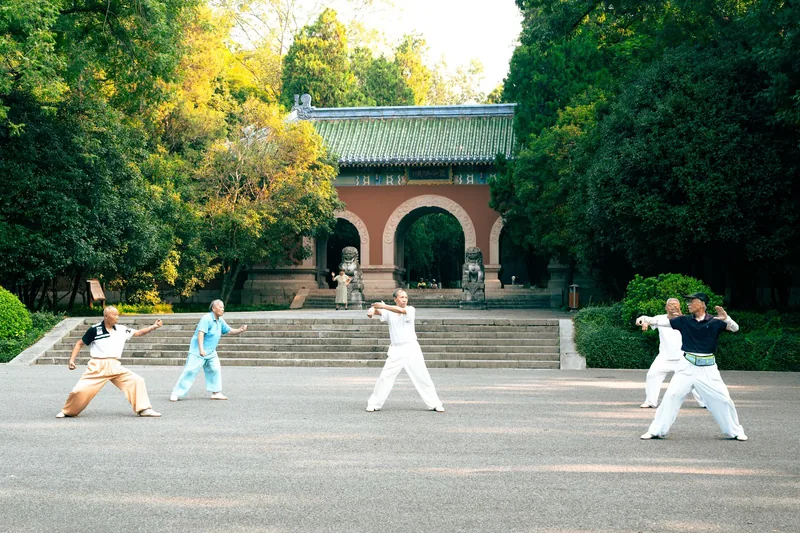
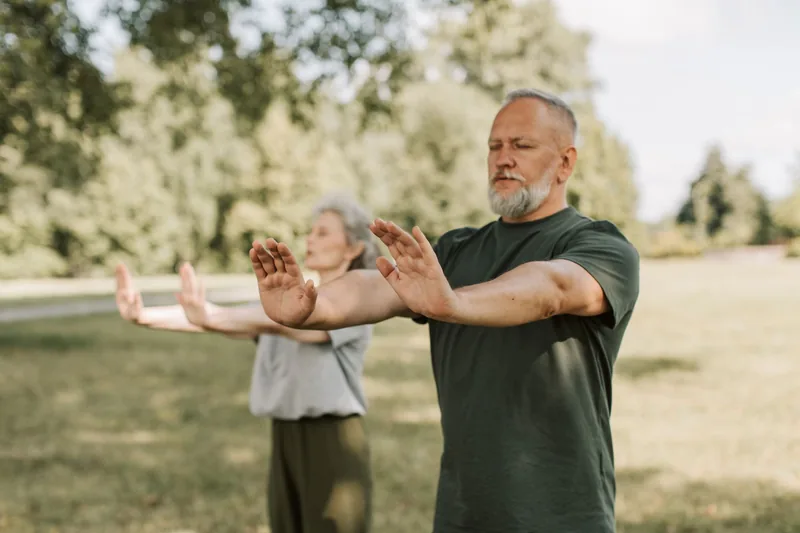
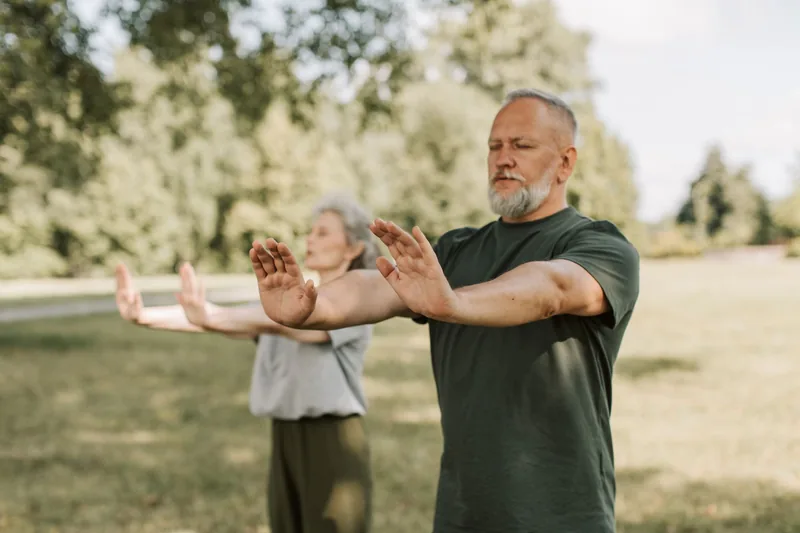
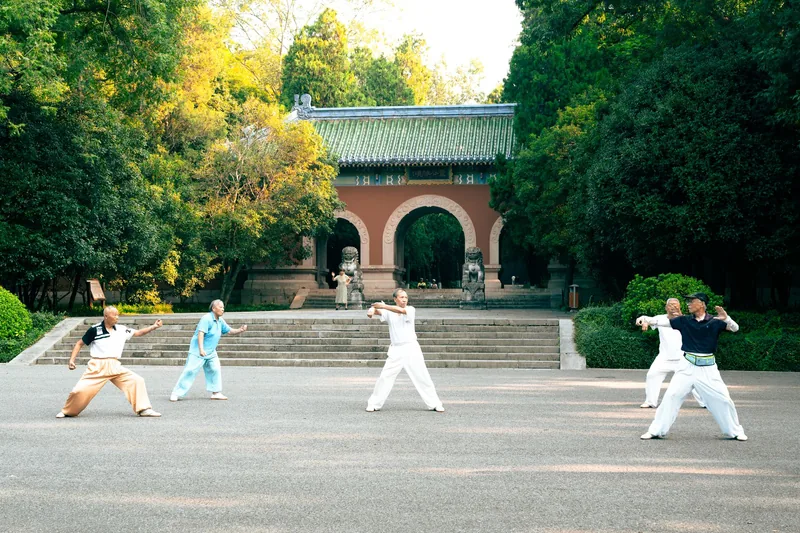
    Group of adults practicing tai chi outdoors — a practice backed by research for balance and fall prevention benefits

    Tai Chi Benefits for Stress, Anxiety, and Mental Health

    Tai chi’s effect on the nervous system is not incidental — it’s built into the mechanics of the practice. The slow, continuous movements paired with diaphragmatic breathing directly activate the parasympathetic nervous system, shifting the body out of the stress response and into a state of physiological calm. Multiple studies have documented this effect through measurable markers: reduced cortisol levels, lower resting heart rate, and decreased inflammatory markers associated with chronic stress.

    The mental health research is substantial. A systematic review published in BMC Complementary Medicine and Therapies found that tai chi significantly reduced symptoms of anxiety and depression across clinical populations, with effect sizes comparable to other forms of exercise and, in some cases, comparable to medication for mild to moderate anxiety. What’s notable is that tai chi addresses stress through multiple channels at once — the physical relaxation of gentle movement, the respiratory effect of controlled breathing, and the cognitive engagement of learning and memorizing sequences of movement. That last factor matters more than it might seem: the mental focus required to remember and execute a form occupies the same mental space that anxious rumination typically fills. You can’t run worst-case scenarios through your head while coordinating a Brush Knee into a Ward Off Left.

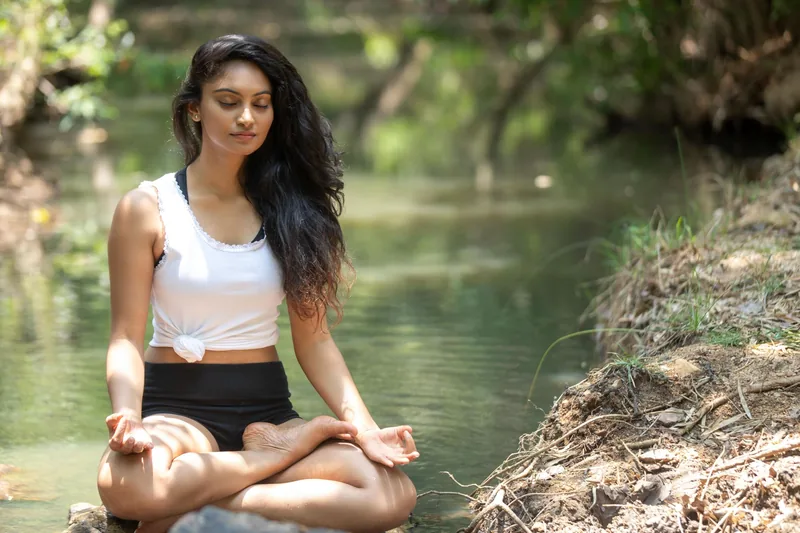
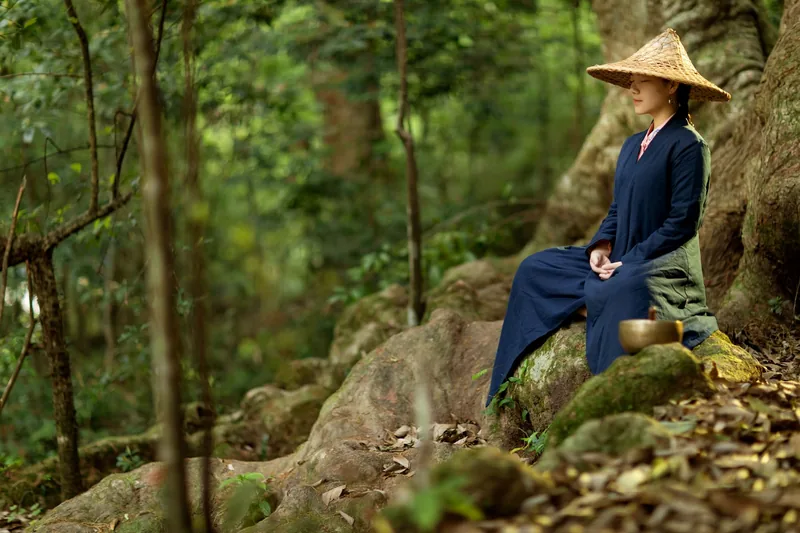
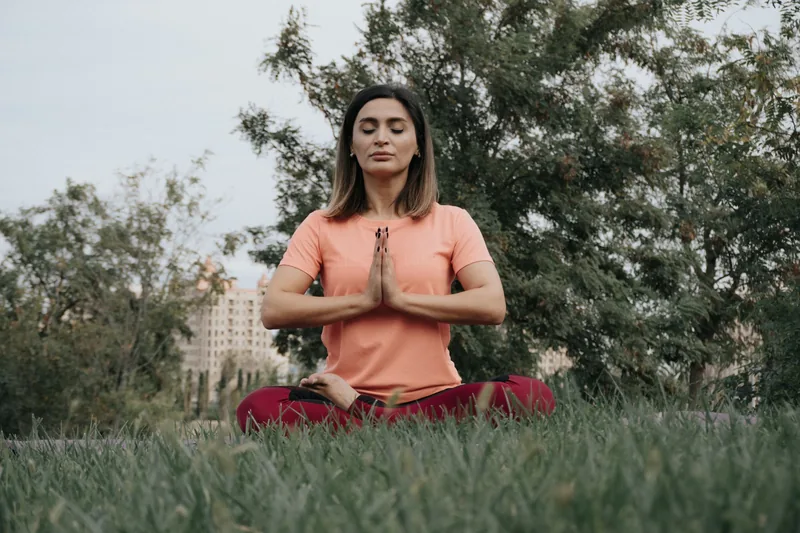
    Tai chi practitioner in a calm outdoor setting — the practice is research-backed for stress relief and mental health benefits

    What Tai Chi Does for Joints, Arthritis, and Chronic Pain

    Tai chi is one of the few exercises the Arthritis Foundation recommends across both rheumatoid arthritis and osteoarthritis. The reason comes down to biomechanics: tai chi’s slow, circular movements take the joints through their full range of motion without compressing them under load. That combination — movement without impact — lubricates cartilage, strengthens the muscles that stabilize painful joints, and maintains flexibility in ways that higher-impact exercise often can’t achieve for people managing significant pain.

    The clinical evidence is consistent. A randomized controlled trial published in Arthritis & Rheumatology found that tai chi outperformed physical therapy for both pain relief and physical function in patients with knee osteoarthritis. Research on rheumatoid arthritis shows improvements in pain scores, grip strength, and disease activity markers in tai chi practitioners versus controls. Beyond arthritis, tai chi has been studied for fibromyalgia, lower back pain, and musculoskeletal pain from a range of causes — with positive results across most conditions. Our Tai Chi program in Gallatin draws students managing everything from recovering knees to decades-old back injuries. The adaptability of tai chi means a student with significant limitations on day one can still practice — and still get real benefit, even at a modified range of motion.

    Heart Health, Blood Pressure, and Circulation

    Tai chi is not an aerobic workout in the traditional sense, but its cardiovascular benefits are well documented. A meta-analysis of 39 randomized controlled trials found that regular tai chi practice reduced systolic blood pressure by an average of 9 to 10 mmHg — an effect size clinically meaningful enough that some physicians have begun recommending it as a complementary approach for patients managing hypertension. Diastolic blood pressure shows similar improvements in the research, as does resting heart rate over time.

    Beyond blood pressure numbers, the cardiovascular research shows improvements in functional aerobic capacity, cholesterol profiles, and markers of arterial stiffness in long-term practitioners. For anyone who can’t safely engage in higher-intensity aerobic activity — whether due to age, joint conditions, cardiac history, or current fitness level — tai chi offers a medically recognized path to cardiovascular improvement through gentle, sustained movement.

    Tai chi student practicing deliberate slow-form movement — shown by research to support heart health and circulation

    How to Start Getting the Benefits of Tai Chi

    Research consistently shows that tai chi benefits begin to appear within 8 to 12 weeks of regular practice — typically two to three sessions per week, each lasting 45 to 60 minutes. That’s a realistic timeline for someone starting from scratch, and the improvements compound as practice continues. Balance benefits accumulate over months. Mental health benefits tend to appear faster, sometimes within the first few weeks. Chronic pain relief varies by condition but generally tracks with how consistently a student shows up.

    The most important factor at the start is qualified instruction. Tai chi movements learned with poor postural alignment or incorrect weight distribution don’t produce the same results as movements learned correctly — and some can place unnecessary strain on the joints the practice is designed to help. For those new to the art, our tai chi for beginners guide covers what to expect in the first weeks of practice. When you’re ready to step onto the mat, you can view our class schedule and try your first class free.

    Ready to Get Started?

    Your first class is free. Whether you’re a complete beginner or an experienced martial artist, we’d love to welcome you to the GMA family.

    Call us at (731) 324-3847 or book your free trial online.

    Frequently Asked Questions

    How long does it take to notice tai chi benefits?

    Most research shows measurable improvements within 8 to 12 weeks of practicing two to three times per week. Mental health and stress reduction benefits often appear sooner — sometimes within the first few weeks of consistent practice. Balance and physical benefits build more gradually and compound over months and years of regular training.

    Do you need to attend classes to get tai chi benefits, or can you practice alone?

    Learning from a qualified instructor is strongly recommended, especially at the start. Proper alignment and weight distribution are the foundation of the benefits — and they’re difficult to learn from video alone without real-time correction. Once you have a solid foundation from class instruction, practicing at home between sessions extends and reinforces what you’ve learned. The most effective approach combines class instruction with shorter home practice sessions in between.

    Are tai chi benefits only for older adults?

    Not at all. While much of the research focuses on older populations — because falls and chronic conditions are more prevalent in that group — tai chi benefits apply across all age groups. Younger adults use the practice for stress management, injury prevention, and cross-training. Competitive athletes use it to improve body awareness and coordination. The cognitive and health benefits are accessible at any age, and the skills developed through tai chi — balance, proprioception, controlled movement — compound over a lifetime of practice.

  • Tai Chi for Seniors: Balance, Health & Gentle Movement

    Tai Chi for Seniors: Balance, Health & Gentle Movement

    Tai chi for seniors has quietly become one of the most recommended exercises in modern healthcare — and for good reason. The slow, deliberate movements build balance, strengthen stabilizing muscles, and calm the nervous system without putting stress on aging joints. At Global Martial Arts USA in Gallatin, TN, we’ve guided students in their 60s, 70s, and 80s through their first steps in tai chi for more than 50 years. You don’t need to be flexible. You don’t need to be strong. You just need to be willing to show up.

    This guide covers what tai chi offers older adults, the specific health benefits backed by research, what a first class looks like, and simple ways to begin — whether you’re standing steady or need to start from a chair.

    Why Tai Chi Is Ideal for Seniors

    Most exercise programs ask the body to do more — lift heavier, move faster, push harder. Tai chi asks the opposite. The challenge is internal: slow the mind, relax unnecessary tension, and move with precision. That difference is exactly what makes it so well suited to older adults. There’s no impact on the knees, no strain on the shoulders, and no competitive pressure to keep up with anyone. The movements meet you at your current ability and gently expand what that ability is.

    Tai chi is also inherently functional. Every movement trains the same skills seniors rely on every day — shifting weight safely, turning without losing balance, coordinating breath with effort, and recovering when something unexpected throws you off center. Over weeks and months of practice, those skills become reflexive. A misstep on uneven pavement becomes a minor wobble instead of a fall.

    Senior adults practicing gentle tai chi movements outdoors in a group

    Health Benefits of Tai Chi for Seniors

    The research on tai chi and aging is unusually strong for a low-impact practice. A 2017 review published in JAMA Internal Medicine found that tai chi reduced fall risk in older adults by up to 50 percent, outperforming conventional balance training and stretching programs. The CDC and the National Council on Aging now list tai chi among their top recommended fall-prevention interventions.

    Beyond balance, older adults who practice tai chi regularly show measurable improvements in blood pressure, cardiovascular health, bone density, sleep quality, and symptoms of anxiety and depression. Several studies have also documented cognitive benefits — improved memory, faster processing speed, and better executive function — likely tied to the combination of physical movement, breathing, and mental focus the practice demands. For seniors managing conditions like arthritis, Parkinson’s disease, or recovery from a stroke, tai chi often fits into a rehabilitation plan when higher-impact exercise is off the table.

    These benefits aren’t reserved for people who start young. Studies consistently find that older adults who begin tai chi in their 60s, 70s, or 80s experience the same gains as younger practitioners — sometimes faster, because the contrast between sedentary aging and gentle consistent movement is so pronounced. Our guide to tai chi for beginners walks through what the first months of practice look like for anyone new to the art.

    Senior adult practicing tai chi for improved balance and fall prevention

    Chair Tai Chi and Standing Tai Chi — Both Work

    One of the most practical features of tai chi for seniors is that the same movements can be performed standing or seated. Students who have strong balance and good mobility typically practice standing, learning the traditional Yang Style forms that have been taught for generations. Students recovering from surgery, managing chronic pain, or dealing with significant balance challenges can perform modified versions of every movement from a sturdy chair.

    Chair tai chi isn’t a watered-down version of the real practice — it’s the same arm movements, the same breathing, the same mental focus, just with the lower body stabilized. Many seniors begin seated, build their core strength and coordination over weeks or months, and gradually transition to standing practice. Others prefer seated work permanently, and still experience the cardiovascular, cognitive, and mood benefits the art is known for.

    At GMA, our instructors regularly adapt movements on the fly based on what a student brings into class that day. A flare-up of arthritis, a recent knee surgery, a bad night’s sleep — none of those need to stop your practice. Tai chi adapts around the body you have today.

    Older tai chi practitioner demonstrating gentle foundational form with proper stance

    What to Expect in Your First Class

    Walking into a martial arts school for the first time can feel intimidating at any age, but our tai chi program was designed with first-timers in mind. A typical class begins with gentle warm-up movements — slow neck rolls, shoulder circles, easy weight shifts — followed by breathing exercises that settle the mind and prepare the body for focused movement. The room is quiet. No loud music, no shouted counts, no one sprinting past you.

    From there, the instructor introduces foundational movements one at a time. You’ll practice weight shifts, stepping patterns, and arm movements at a pace your body can absorb. Classes usually run 45 to 60 minutes. Most seniors leave feeling looser and calmer than when they arrived — and many report better sleep that night. Wear comfortable, loose clothing and flat-soled shoes. No uniform, no equipment, no prior experience required.

    GMA has been voted the top martial arts school in Sumner County, and our tai chi program is taught by instructors with decades of experience in both the health and martial applications of the art. That background matters for seniors — understanding why a movement works makes it easier to practice with intention rather than just copying shapes.

    How to Start Tai Chi Safely

    If you’re considering tai chi and have any chronic health conditions, a quick conversation with your doctor is a good first step. Tai chi is one of the safest forms of exercise available, but a provider who knows your history can flag anything specific to watch. Once you have the green light, the single best thing you can do is show up to a class. Videos and books can supplement your learning, but tai chi is a physical skill that requires real-time feedback from a qualified instructor — and for seniors in particular, that feedback on posture and weight distribution is what prevents minor issues from becoming bigger ones.

    Look for a school that teaches tai chi as a complete system — breathing, martial applications, and philosophical principles alongside the movements themselves. At Global Martial Arts USA, we teach tai chi alongside TaeKwonDo, HapKiDo, and our other disciplines, with a dedicated tai chi program that welcomes students of every age and fitness level. You can view our class schedule and drop in for a free trial any time.

    Ready to Get Started?

    Your first class is free. Whether you’re a complete beginner or an experienced martial artist, we’d love to welcome you to the GMA family.

    Call us at (731) 324-3847 or book your free trial online.

    Frequently Asked Questions

    Is tai chi safe for seniors with arthritis or joint pain?

    Yes. Tai chi is one of the few exercises specifically recommended by the Arthritis Foundation because its slow, low-impact movements strengthen the muscles around painful joints without aggravating them. Many seniors with arthritis report reduced stiffness and less daily pain after a few months of consistent practice.

    Can I do tai chi if I use a cane or walker?

    Absolutely. Chair-based tai chi provides the full benefit of the practice — breathing, coordination, cognitive engagement, and upper body movement — without requiring standing balance. As strength and confidence build, many seniors transition to standing practice with support, and some eventually move to full standing forms.

    How often should seniors practice tai chi to see benefits?

    Research consistently shows measurable balance and health improvements with two to three classes per week, each lasting 45 to 60 minutes. Many of our students attend twice weekly and practice short routines at home between classes to reinforce what they’ve learned.

  • Tai Chi for Beginners: Complete Getting Started Guide

    Tai Chi for Beginners: Complete Getting Started Guide

    Tai chi for beginners can feel like stepping into a completely different world. The slow, flowing movements look nothing like what most people picture when they think of martial arts — but that quiet power is exactly what makes tai chi one of the most effective practices for building balance, reducing stress, and improving long-term health. At Global Martial Arts USA in Gallatin, TN, we’ve taught tai chi to students of every age and fitness level for over 50 years. Whether you’re 25 or 75, you don’t need any experience to start.

    This guide covers everything a beginner needs to know — what tai chi actually is, what your first class looks like, the foundational movements you’ll learn, and the health benefits backed by research. By the end, you’ll have a clear picture of what to expect and how to take your first step.

    What Is Tai Chi and Where Does It Come From?

    Tai chi (sometimes written as taiji) is a Chinese martial art that dates back several centuries. It was originally developed as a combat system, but over time evolved into a practice that blends self-defense techniques with deep breathing, meditation, and slow, deliberate movement. Every posture in tai chi has a martial application — the graceful arm sweep that looks like a dance move is actually a block, redirect, or strike performed at reduced speed.

    The style most commonly taught to beginners is Yang Style Tai Chi, known for its smooth, expansive movements and accessible pace. At GMA, our program is rooted in Yang Style because it offers the best entry point for new students while still teaching authentic martial principles. The movements are performed standing, with soft knees and relaxed shoulders, creating a low-impact workout that strengthens your body from the inside out.

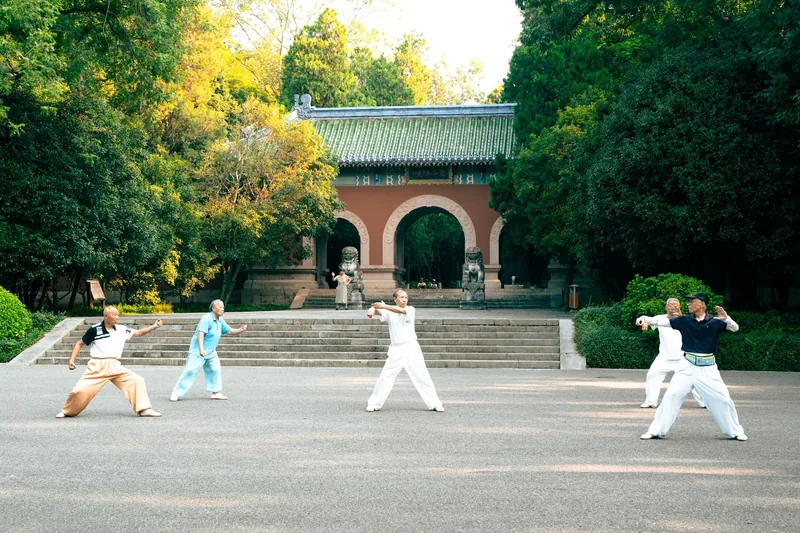
    Group of beginners practicing tai chi movements together outdoors

    What to Expect in Your First Tai Chi Class

    Walking into any martial arts class for the first time can feel intimidating, but tai chi is one of the most welcoming environments you’ll find. There’s no sparring, no high kicks, and no pressure to keep up with advanced students. A typical beginner class at GMA starts with a brief warm-up — gentle stretches, breathing exercises, and basic stance work to get your body aligned and your mind focused.

    From there, the instructor introduces foundational movements one at a time. You’ll practice weight shifts, stepping patterns, and arm movements at a pace that allows your body to absorb each position naturally. Classes typically run 45 to 60 minutes, and most beginners report feeling more relaxed and centered afterward — even on their very first day.

    You don’t need special equipment to start. Wear comfortable, loose-fitting clothing and flat-soled shoes (or go barefoot if the studio allows it). There’s no uniform requirement for beginners, though many students eventually train in traditional martial arts attire. If you’re curious about the terminology you’ll hear, our martial arts terminology glossary covers many of the terms used across disciplines at GMA.

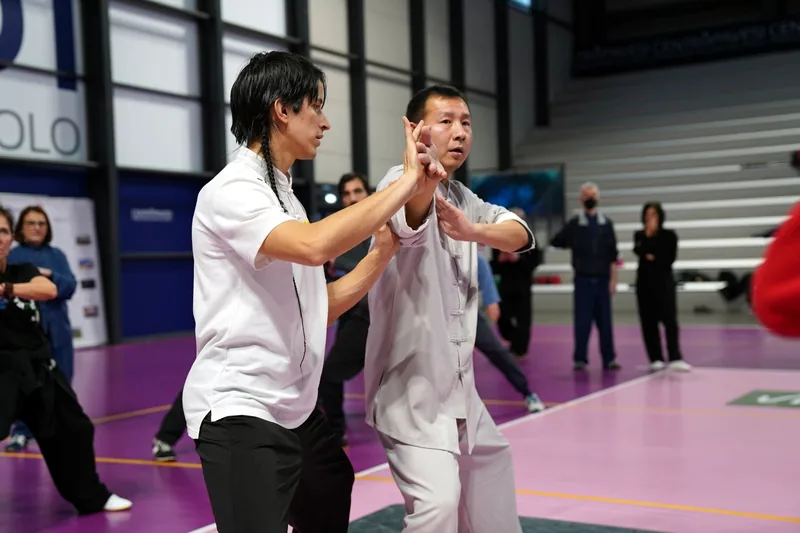
    Tai chi practitioner demonstrating foundational form with proper stance

    Foundational Tai Chi Movements Every Beginner Should Know

    Tai chi forms are sequences of connected movements performed in a specific order. The most widely practiced beginner sequence is the 24 Form (also called the Beijing Form or Simplified Form), which condenses the longer traditional forms into a manageable set of movements that teach all the core principles.

    A few foundational movements you’ll encounter early in your training:

    Commencement — the opening posture. You stand with feet shoulder-width apart, slowly raise your arms to shoulder height with relaxed wrists, then lower them back down. This simple movement teaches you to coordinate breath with motion and find your center of gravity.

    Parting the Wild Horse’s Mane — a stepping movement where your arms separate in opposite directions as you shift your weight forward. This teaches you to move your entire body as one connected unit, with power rooted in the legs and expressed through the hands.

    Wave Hands Like Clouds — a side-stepping movement where your hands pass across your body in alternating arcs. It develops coordination, balance, and the ability to stay grounded while moving laterally.

    None of these movements require strength, speed, or flexibility beyond what a healthy adult can manage. The challenge in tai chi is internal — learning to relax muscles you didn’t know were tense, coordinating your breathing with your movement, and developing the body awareness to feel where your weight is at any given moment.

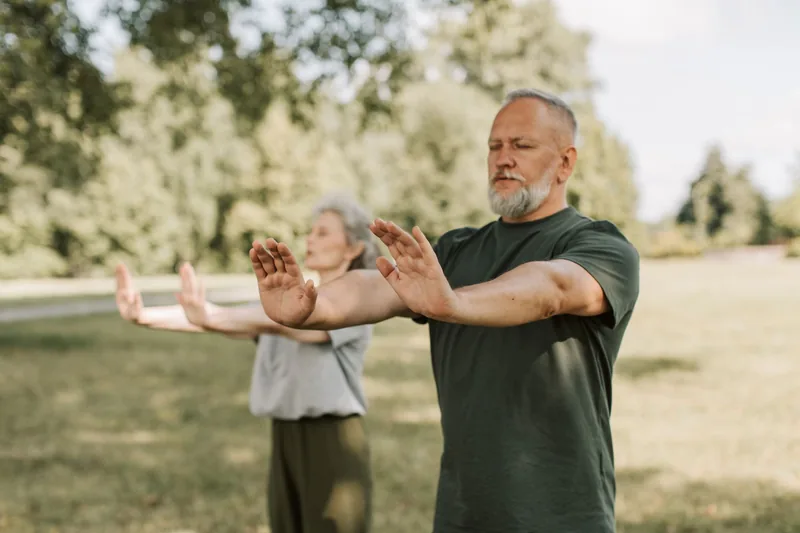
    Senior adult practicing tai chi for improved balance and health benefits

    Health Benefits of Tai Chi for Beginners

    Research consistently supports what tai chi practitioners have known for centuries. A 2019 meta-analysis published in the British Journal of Sports Medicine found that tai chi significantly improves balance, reduces fall risk in older adults, lowers blood pressure, and decreases symptoms of anxiety and depression. The practice also shows promise for managing chronic pain conditions, including arthritis and fibromyalgia.

    For beginners specifically, the benefits often show up faster than expected. Within the first few weeks of regular practice, most students notice improved posture, better sleep quality, and a calmer response to daily stress. Because tai chi is low-impact and self-paced, it’s accessible to people recovering from injuries, managing chronic conditions, or simply looking for a sustainable exercise practice that won’t break down their joints over time.

    GMA’s tai chi program in Gallatin, TN is taught by instructors with decades of experience in both the health and martial applications of the art. That dual perspective matters — understanding why each movement exists helps students practice with intention rather than just copying shapes. Our school has been voted the top martial arts school in Sumner County, and our tai chi classes reflect the same standard of instruction that defines every program we offer.

    How to Start Your Tai Chi Practice

    The single best thing a beginner can do is show up to a class. Videos and books can supplement your learning, but tai chi is a physical skill that requires real-time feedback from a qualified instructor. Small adjustments to your posture, weight distribution, and hand position make the difference between a movement that works and one that’s just an empty gesture.

    When choosing a school, look for instructors with verifiable credentials and a curriculum that teaches tai chi as a complete system — not just the physical movements, but the breathing methods, martial applications, and philosophical principles that give the art its depth. At Global Martial Arts USA, we teach tai chi alongside TaeKwonDo, Brazilian Jiu Jitsu, HapKiDo, and other disciplines, giving students the option to explore multiple martial arts under one roof.

    You don’t need to be flexible. You don’t need to be young. You don’t need any prior martial arts experience. Tai chi meets you exactly where you are and builds from there — one slow, intentional movement at a time.

    Ready to Get Started?

    Your first class is free. Whether you’re a complete beginner or an experienced martial artist, we’d love to welcome you to the GMA family.

    Call us at (731) 324-3847 or book your free trial online.

    Frequently Asked Questions

    Can I learn tai chi at home as a beginner?

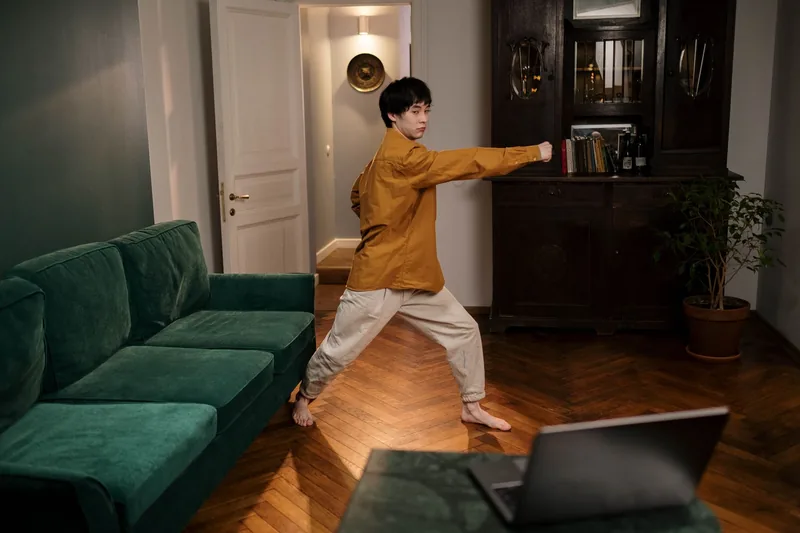
    You can practice movements you’ve already learned in class, but starting at home without instruction makes it easy to develop habits that are difficult to correct later. A qualified instructor provides the real-time feedback that video tutorials cannot. Once you’ve built a foundation in class, home practice becomes a powerful supplement to your training.

    How long does it take to learn the basic tai chi form?

    Most beginners can learn the 24 Form movements within three to six months of consistent weekly practice. Learning the physical sequence is the first step — refining your breathing, relaxation, and internal awareness is a lifelong process that deepens with every session.

    Is tai chi a real martial art?

    Yes. Tai chi was developed as a combat system, and every movement in the form has a martial application. The slow practice method trains body mechanics, timing, and sensitivity that translate directly to self-defense. At GMA, our instructors teach both the health and martial sides of tai chi so students understand the full depth of what they’re practicing.