
Yang style tai chi is the most widely practiced martial art in the world. More people train it daily than any other combat system — not because it’s the most explosive or competitive, but because it works. Its slow, expansive movements build real balance, reduce stress, and develop the kind of body awareness that carries into everything you do. At Global Martial Arts USA in Gallatin, TN, our tai chi program is rooted in Yang style — the same tradition our instructors have taught for over 50 years.
If you’re new to tai chi or want to understand what separates Yang style from other forms, this guide covers the history, the forms, the core movements, and the documented health benefits that have made this practice a global phenomenon.
The Origins of Yang Style Tai Chi
Yang style tai chi traces its roots to Yang Luchan (1799–1872), a Chinese peasant’s son who became one of the most respected martial artists of his era. As a young man, Yang traveled to Chen Village in Henan Province and studied under Chen Changxing, a 14th-generation master of the original Chen style of tai chi. Chen style at the time featured explosive bursts of power, vigorous stomps, and demanding physical requirements that made it largely inaccessible to the general population.
What Yang Luchan did next changed the course of Chinese martial arts. He systematically softened and restructured those Chen movements — removing the high-impact elements and replacing them with large, slow, continuous motions performed at an even pace. The result was a system that kept all the martial depth of Chen style while opening the practice to students of every age, fitness level, and physical condition.
His grandson Yang Chengfu (1883–1936) completed this evolution. Yang Chengfu standardized the form the world practices today — a flowing sequence characterized by upright posture, fully relaxed muscles, slow even tempo, and large, expansive arm movements. He taught widely across China, attracting students from every background, and cemented Yang style as the dominant form of tai chi practiced globally.
What Sets Yang Style Apart From Other Tai Chi Styles
There are five recognized major styles of tai chi: Yang, Chen, Wu, Wu Hao, and Sun. Each has distinct characteristics, but Yang stands apart for reasons that go beyond simple popularity.
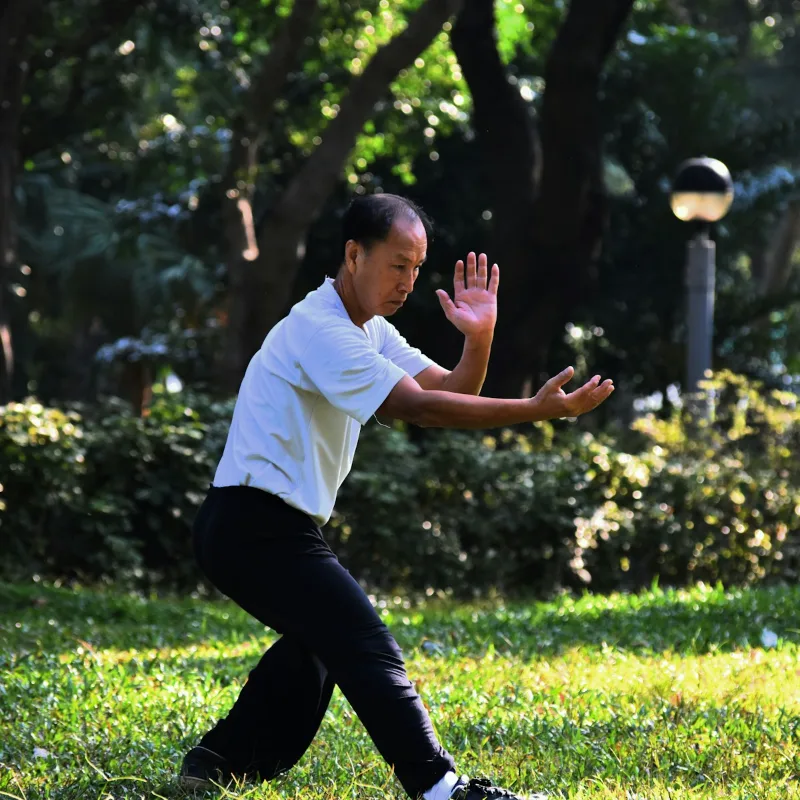
Large frame movements. Yang style uses expansive, open postures with fully extended arms and wide stances. This makes the movements easier to see, easier to learn, and easier to correct — an important advantage for beginners and for older practitioners who benefit from greater range-of-motion training.
Consistent, even pace. Unlike Chen style, which alternates between slow movement and sudden explosive bursts, Yang style maintains a steady, unhurried tempo from start to finish. That consistency makes it far easier to develop internal focus and breathing coordination without sudden cardiovascular demands.
Upright, natural posture. Yang style emphasizes a straight spine and relaxed shoulders throughout every movement. This postural training carries directly into daily life — better standing alignment, reduced lower back tension, and improved gait mechanics over time.
Accessible but deep. Yang style is an entry point, but it’s also a lifelong practice. The same movements that a new student learns in their first weeks contain layers of martial application, internal energy development, and meditative depth that advanced practitioners continue to explore for decades. Our tai chi for beginners guide covers what that first introduction looks like in class.
The Yang Style Forms: The 24 Form and the Traditional Long Form
Yang style tai chi is learned through its forms — pre-choreographed sequences of movements performed in a specific order. Two forms define most Yang style practice worldwide.
The 24 Form (Beijing Form). Created in 1956 by China’s National Physical Culture and Sports Commission, the 24 Form condenses the traditional Yang style sequence into 24 movements that teach all the core principles of the practice. It takes approximately five to eight minutes to perform at the standard slow pace. Most beginners start here, and many practitioners spend years deepening their 24 Form before advancing to longer sequences. The selection of movements is deliberate — every position is a foundational building block for what comes next in the full system.
The Traditional Long Form (85/108 Form). Yang Chengfu’s original standardized sequence contains between 85 and 108 postures depending on how the practitioner counts stopping points. Where the 24 Form is a concentrated introduction, the long form develops stamina, continuity, and a deeper understanding of how movements connect into a coherent martial and health system. Advanced students at GMA work through the long form after building a solid foundation with the 24.
Health Benefits of Yang Style Tai Chi
The research literature on Yang style tai chi is more substantial than almost any other traditional martial art — largely because it’s the most widely practiced and therefore the most studied. A summary of what the evidence consistently shows:
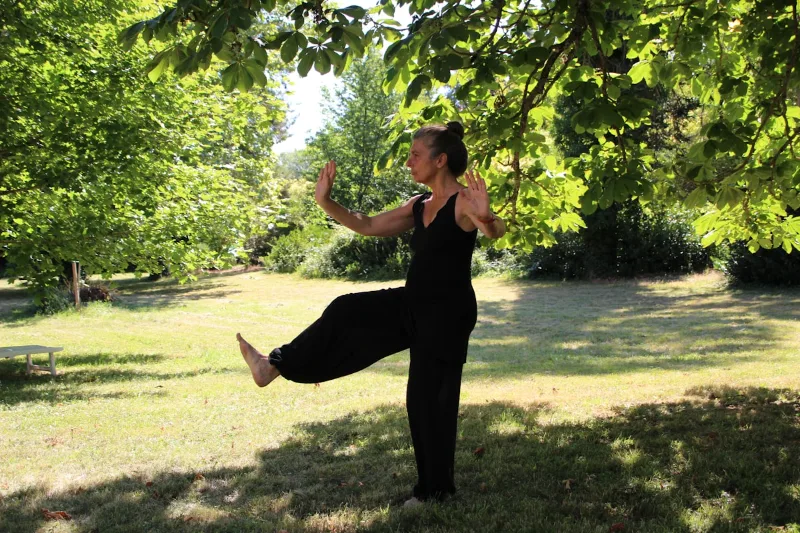
Balance and fall prevention. Multiple meta-analyses confirm that regular Yang style tai chi practice significantly reduces fall risk in older adults. The weight-shifting, single-leg stance work, and postural demands of the forms create the kind of neuromuscular coordination that protects against falls in real-world conditions — on uneven ground, on stairs, when changing direction quickly.
Cardiovascular health. Studies published in peer-reviewed journals have found that Yang style tai chi reduces systolic blood pressure in hypertensive patients and improves markers of cardiovascular function without the joint stress of higher-impact exercise. It provides a meaningful cardiovascular stimulus at a level that’s sustainable long-term.
Stress and mental health. The combination of slow movement, focused breathing, and meditative attention required by Yang style practice activates the parasympathetic nervous system. Regular practitioners consistently report reduced anxiety, improved sleep quality, and a calmer baseline response to daily stressors. For a full breakdown of what the research shows, see our post on the health benefits of tai chi.
Joint health and longevity. Yang style’s non-impact, low-load movements are gentle on knees, hips, and ankles while still building strength and flexibility in the muscles that support those joints. This makes it particularly well-suited for people managing arthritis, recovering from injury, or simply looking for exercise that won’t wear down their joints over decades of consistent training.
Learning Yang Style Tai Chi at GMA in Gallatin, TN
Global Martial Arts USA has taught Yang style tai chi in Gallatin, TN for over 50 years. Our instructors bring both health and martial expertise to every class — understanding why each movement exists changes how you practice it, and that depth of instruction is what separates a real tai chi program from a fitness video.
GMA has been voted the top martial arts school in Sumner County. Our tai chi classes are open to all ages and fitness levels. You don’t need to be flexible, athletic, or young to start. Yang style meets you exactly where you are. No special equipment is needed — just comfortable, loose-fitting clothing and a willingness to slow down.
Whether you’re drawn to the health benefits, the meditative quality, or the underlying martial art, you’ll find a curriculum that builds from the fundamentals up. You can also explore our full class lineup — TaeKwonDo, Brazilian Jiu Jitsu, HapKiDo, Wing Chun, and more — all taught under one roof by certified instructors.
Ready to Get Started?
Your first class is free. Whether you’re a complete beginner or an experienced martial artist, we’d love to welcome you to the GMA family.
Call us at (731) 324-3847 or book your free trial online.
Frequently Asked Questions
Is Yang style tai chi good for seniors?
Yes — Yang style is one of the best practices for older adults specifically because of its low-impact, weight-bearing movements. The slow, controlled weight shifts and single-leg stances build the balance and leg strength that reduce fall risk, while the relaxed, unhurried pace keeps it accessible for people with joint pain, limited flexibility, or cardiovascular concerns. Multiple clinical studies have validated Yang style tai chi as an effective intervention for fall prevention and balance improvement in adults over 60.
How long does it take to learn Yang style tai chi?
Most students can learn the 24 Form movements within three to six months of consistent weekly practice. Understanding the physical sequence is the first layer — refining your breathing coordination, internal relaxation, and body awareness is a lifelong process that deepens with every session. The traditional long form (85–108 movements) typically takes another year or two to learn and several more to master.
What’s the difference between Yang style and Chen style tai chi?
Chen style is the original form of tai chi, developed in Chen Village, Henan Province. It alternates between slow, flowing movements and sudden explosive bursts of power (called fa jin), and includes more physically demanding elements like deep squats and vigorous stomps. Yang style, which was derived from Chen style in the 19th century, removes the explosive elements and standardizes the pace into one continuous, slow, even flow. Yang style is generally considered more accessible for beginners and health-focused practitioners, while Chen style attracts students interested in the more overt martial applications.