
If your mind races the moment you slow down — replaying worries, bracing for the next thing — sitting still and “just relaxing” can feel impossible. That’s exactly why tai chi for anxiety has become one of the most recommended practices for people who can’t quiet a busy mind. Instead of forcing stillness, tai chi gives your attention something gentle to do: slow, flowing movement paired with deep, steady breathing. The result is a body that downshifts out of fight-or-flight and a mind that finally gets a break. At Global Martial Arts USA in Gallatin, TN, we’ve spent more than 50 years teaching students of every age how to use this quiet, powerful art to feel calmer and more grounded.
This guide explains how tai chi calms the nervous system, what the research says about its effect on stress and anxiety, why it works for people who struggle with seated meditation, and a few simple practices you can try before you ever set foot in a class.
How Tai Chi Calms the Body and Mind
Anxiety lives in the body as much as the mind. When you’re stressed, your sympathetic nervous system — the fight-or-flight response — floods your system with adrenaline and cortisol, quickens your breathing, tightens your muscles, and keeps you scanning for threats. The problem is that modern stress rarely switches off, so the body stays stuck in a low-grade alarm state that feels like restlessness, tension, and a mind that won’t stop.
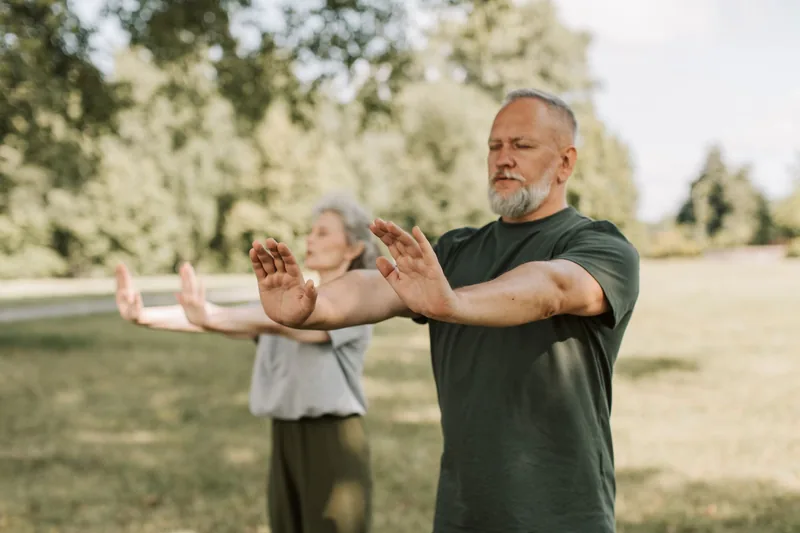
Tai chi works in the opposite direction. Its slow, deliberate movements are paired with deep diaphragmatic breathing, and that kind of long, controlled exhale is one of the most reliable ways to activate the parasympathetic nervous system — the “rest and digest” state that lowers heart rate and eases tension. At the same time, coordinating your breath with each movement pulls your attention into the present moment, leaving far less room for the anxious loops that thrive on past regrets and future worries.
Practiced regularly, this becomes a skill you can carry off the mat. The same slow breathing and body awareness you build in class are available in a tense meeting, a crowded store, or a sleepless night — a portable way to talk your nervous system down from alarm.
What the Research Says About Tai Chi for Anxiety
The calming reputation of tai chi is increasingly backed by evidence. A widely cited 2010 systematic review and meta-analysis published in BMC Complementary and Alternative Medicine pooled dozens of studies and found that regular tai chi practice was associated with meaningful reductions in stress, anxiety, and depression, along with improved mood and overall psychological well-being. Later reviews have echoed those findings, particularly for older adults and people managing chronic health conditions alongside their stress.
Researchers point to several reasons it may help: the slow breathing that calms the nervous system, the light physical activity that releases tension and improves sleep, the mindful focus that interrupts rumination, and the social connection of practicing in a class. It’s worth being clear-eyed, though — tai chi is a supportive practice, not a replacement for professional care. If anxiety is significantly affecting your life, tai chi works best alongside guidance from a qualified healthcare provider, not instead of it.
What makes the evidence encouraging is how low the barrier is. Unlike intense exercise that can leave an already-stressed body more wired, the benefits of tai chi come from gentle, sustainable movement almost anyone can do — which is part of why it’s so easy to stick with.
Why Tai Chi Works When Sitting Still Feels Impossible
For a lot of anxious people, traditional seated meditation backfires. Closing your eyes and trying to empty your mind can leave the worry even louder, and the frustration of “doing it wrong” becomes one more thing to be anxious about. Tai chi offers a way around that wall, which is why it’s often described as moving meditation.
Because your body is gently occupied — shifting weight, tracing a slow arc with your hands, syncing each motion to your breath — your mind has an anchor that isn’t “try not to think.” Concentration comes naturally when there’s something soft to concentrate on, and the meditative calm arrives as a side effect of the movement rather than something you have to force. Many students who had given up on meditation entirely find that tai chi finally gives them the quiet they were looking for.
Simple Tai Chi Practices to Ease Anxiety
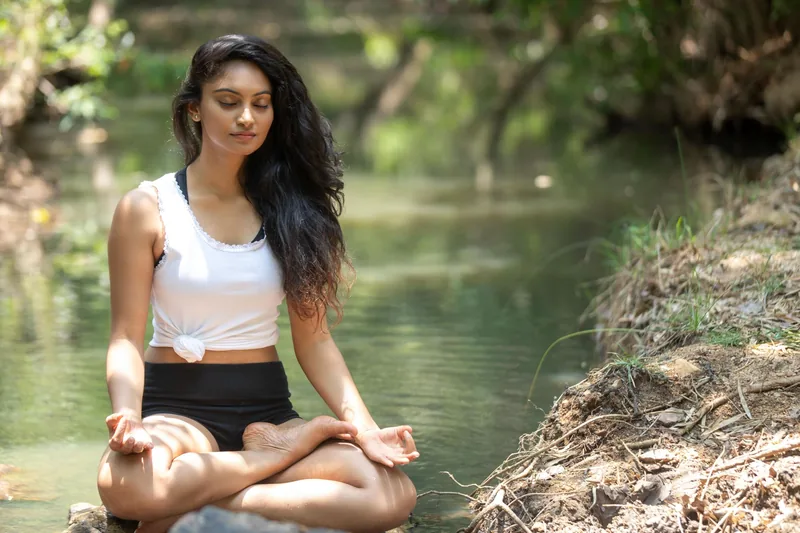
You don’t need to learn an entire form to feel the calming effect — a few foundational elements do most of the work. Start with tai chi breathing: stand or sit comfortably, rest one hand on your belly, and breathe slowly so your stomach rises on the inhale and falls on a long, unhurried exhale. Lengthening the exhale is the part that signals your nervous system to settle.
Next, try gentle weight shifting: with feet shoulder-width apart and knees soft, sway your weight slowly from one foot to the other, letting your breath match the rhythm. The slow, repetitive motion is grounding, and it pulls your focus down out of a spinning head and into your body. Add a simple arm-floating movement — raising your hands gently in front of you on an inhale and lowering them on an exhale — and you have a one-minute practice you can use anywhere anxiety flares.
These home practices are a wonderful start, but a qualified instructor adds what videos can’t: real-time feedback on your posture and breath, a sequence that builds naturally, and the steady reassurance of practicing alongside others. That structure, taught as part of the traditional Yang Style forms in our Tai Chi program, is what turns a few calming movements into a lasting habit.

Getting Started with Tai Chi for Stress Relief
One of the best things about tai chi is how forgiving it is. There’s no flexibility requirement, no impact on the joints, and no need to keep up with anyone — you simply move at your own pace and breathe. If you have a chronic health condition, a quick word with your doctor is sensible before starting, but tai chi is among the gentlest forms of exercise available, and most people can begin right away.
What matters most is learning from instructors who understand both the health and the depth of the art. GMA has been voted the top martial arts school in Sumner County, and our tai chi classes are led by instructors with decades of experience guiding beginners — including many who came through the door looking for nothing more than a little peace of mind. If gentle movement for stress relief is what drew you here, our guide to tai chi for seniors covers chair-based and low-intensity options worth knowing about, too. You can view our class schedule and drop in for a free trial whenever you’re ready to take the first calming step.
Ready to Get Started?
Your first class is free. Whether you’re a complete beginner or an experienced martial artist, we’d love to welcome you to the GMA family.
Call us at (731) 324-3847 or book your free trial online.
Frequently Asked Questions
How quickly does tai chi help with anxiety?
Many people feel calmer after a single session, simply from the slow breathing and gentle movement. The deeper, lasting benefits for stress and anxiety tend to build over several weeks of regular practice, as the relaxation response becomes easier to access on demand. Consistency matters more than length — a short practice a few times a week does more than an occasional long one.
Is tai chi or meditation better for anxiety?
Neither is universally better — it depends on the person. People who find seated meditation frustrating or who feel more anxious sitting still often do far better with tai chi, because the movement gives the mind an anchor and the calm arrives naturally. Tai chi is sometimes called moving meditation precisely because it delivers similar mental benefits in a more accessible package for restless minds.
Can tai chi replace medication or therapy for anxiety?
No. Tai chi is a supportive practice that can complement professional treatment, but it is not a substitute for medical care. If anxiety is significantly affecting your daily life, talk with a qualified healthcare provider about a complete plan — tai chi can be a valuable part of it, working best alongside, not instead of, professional guidance.