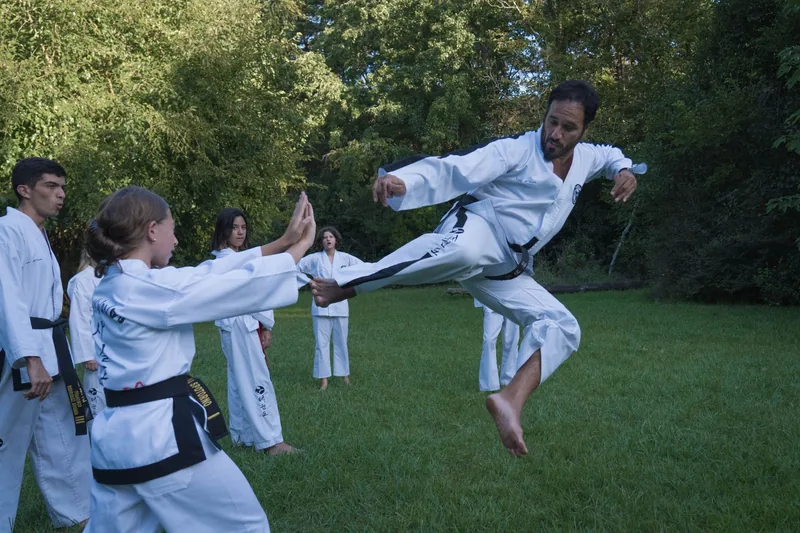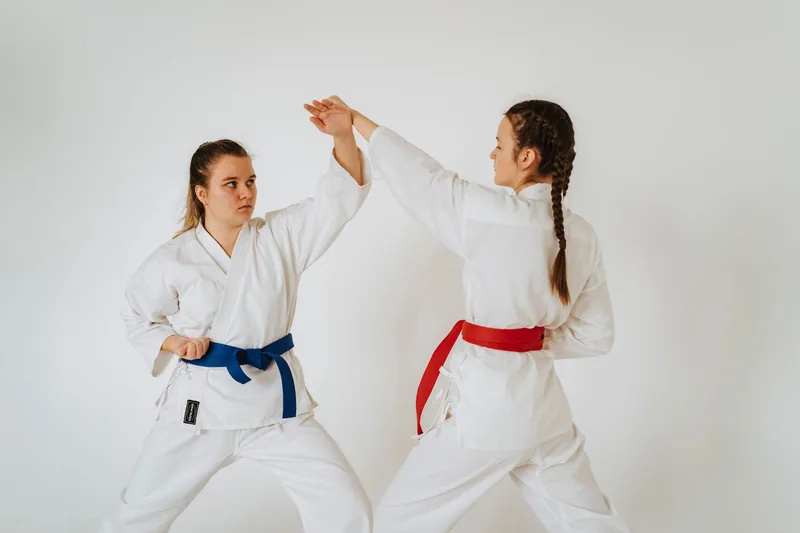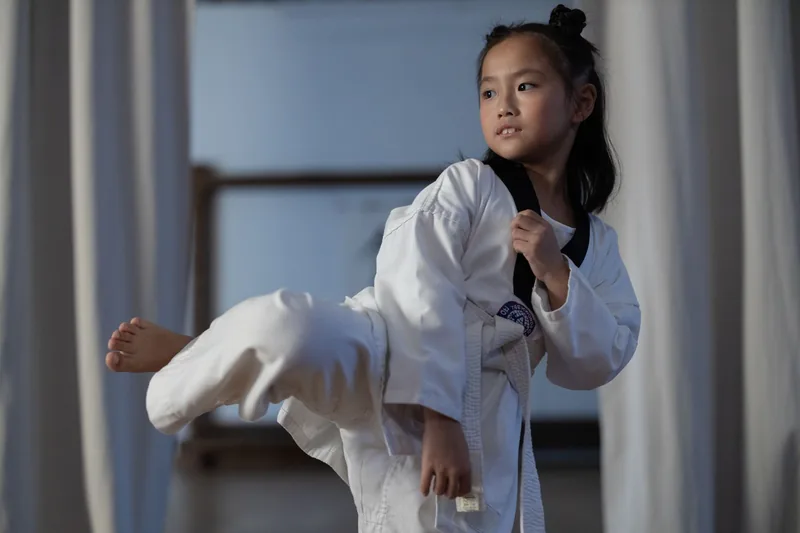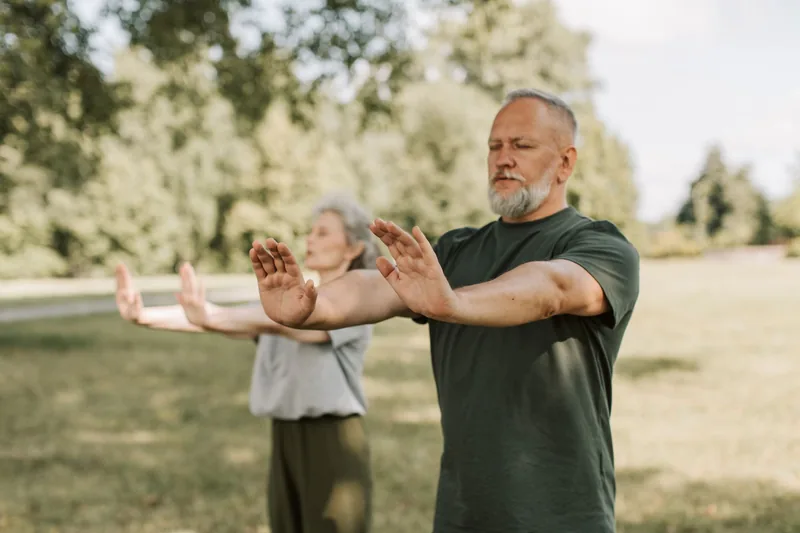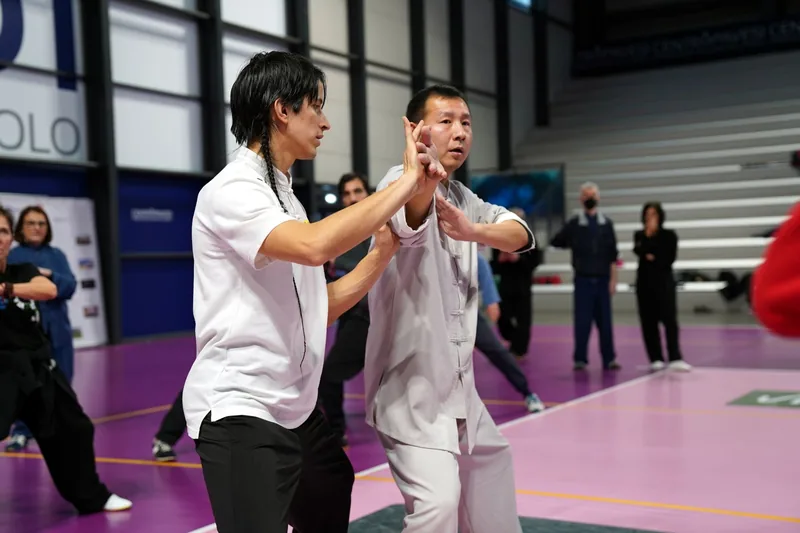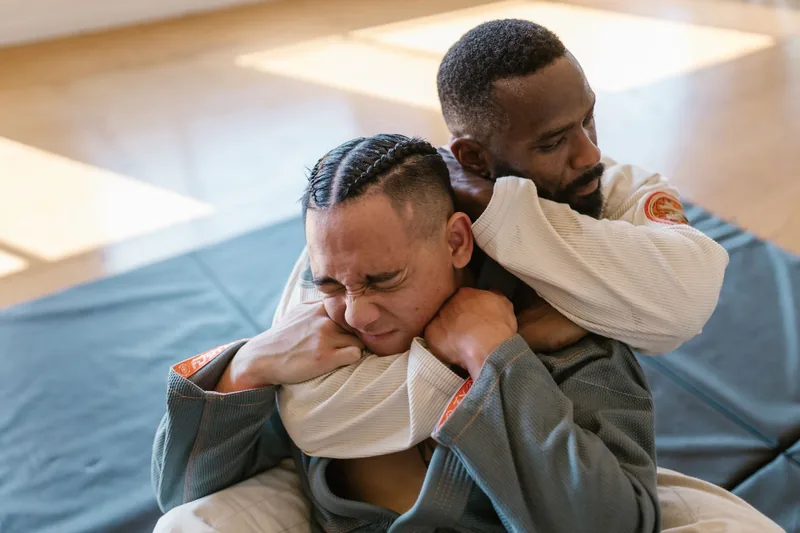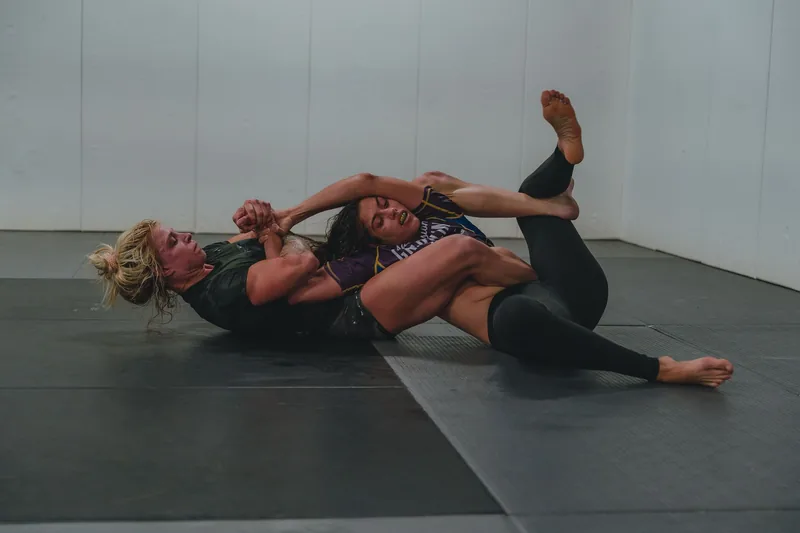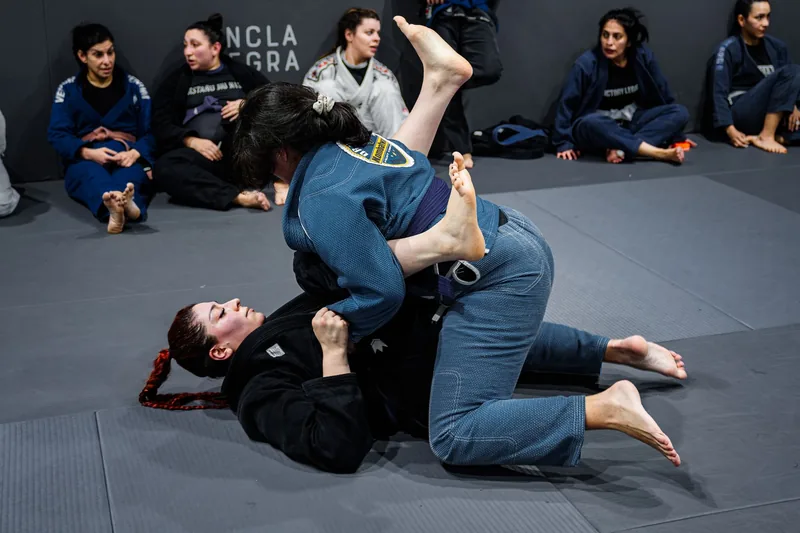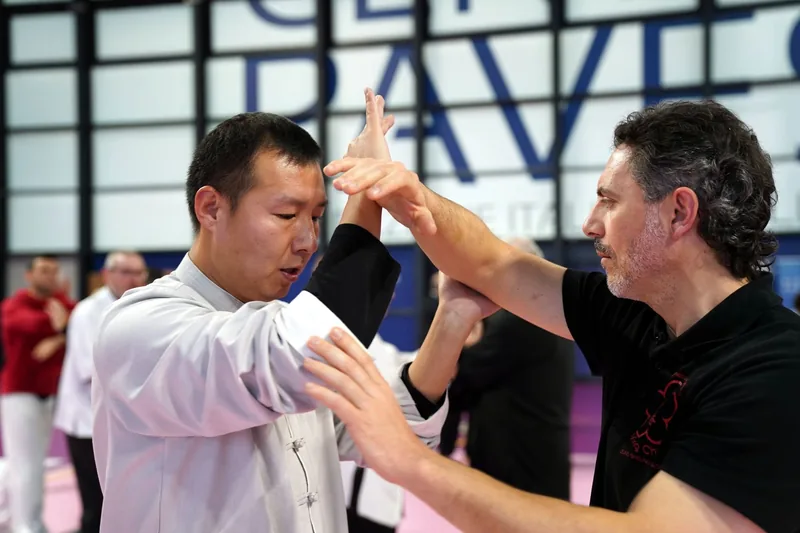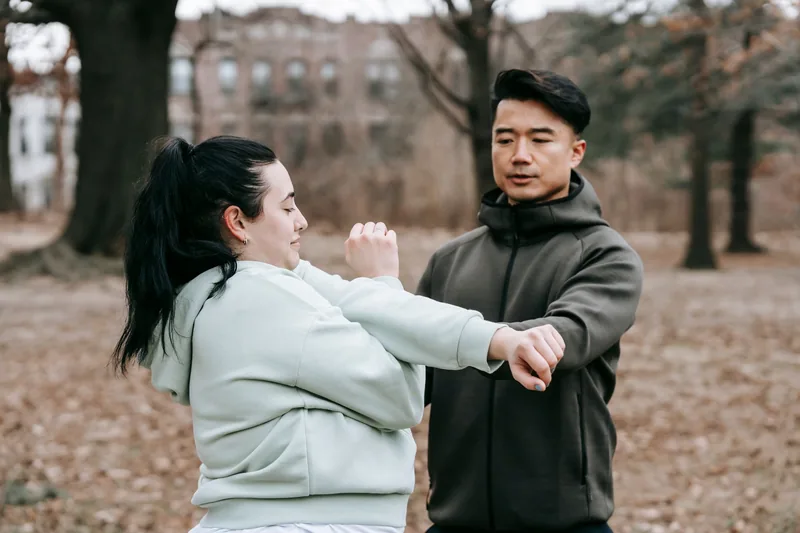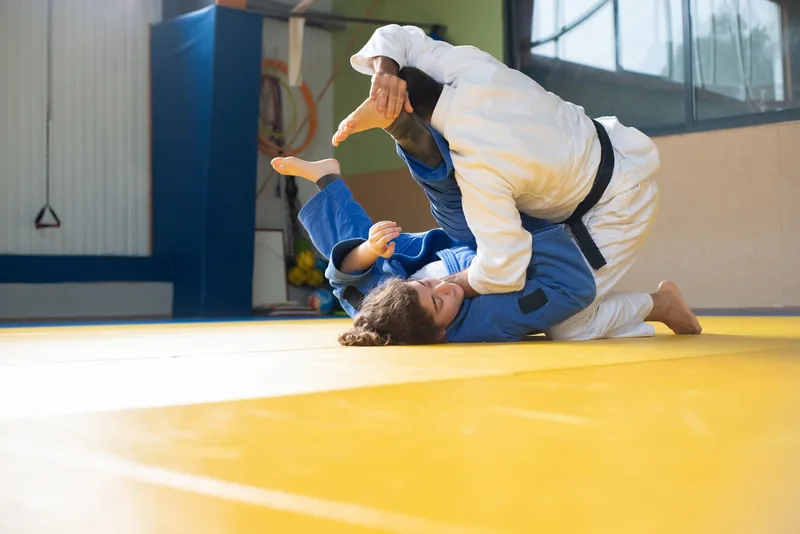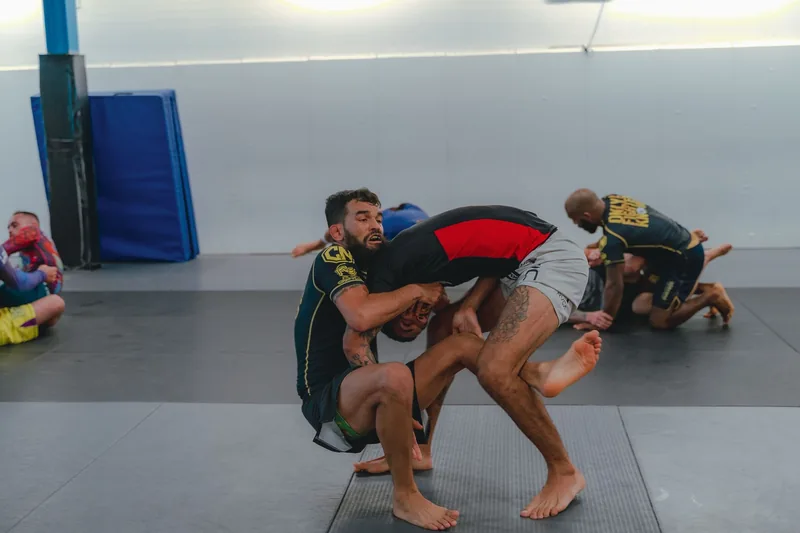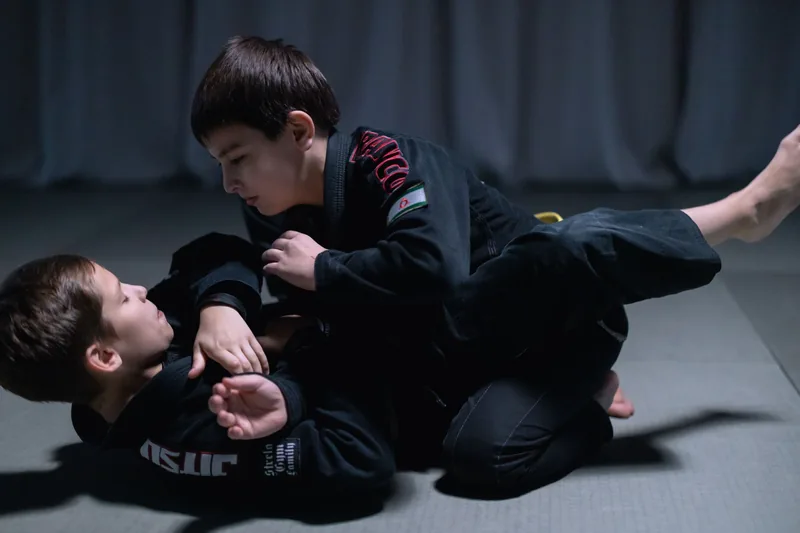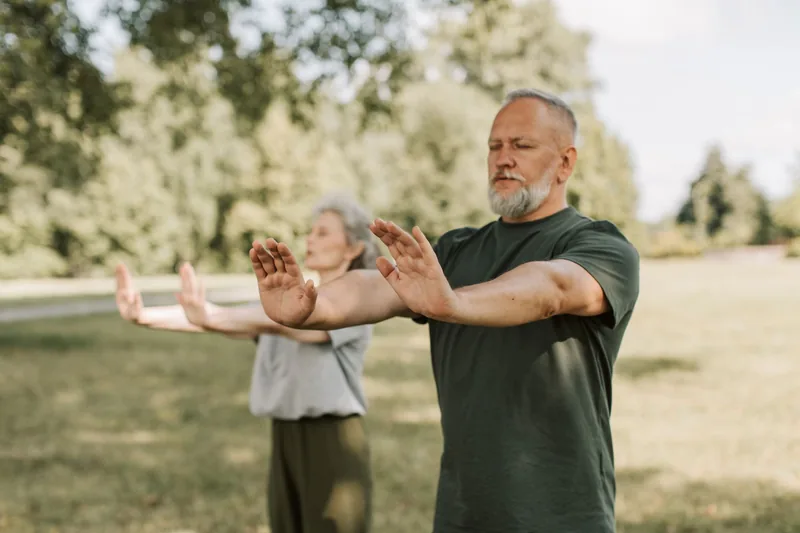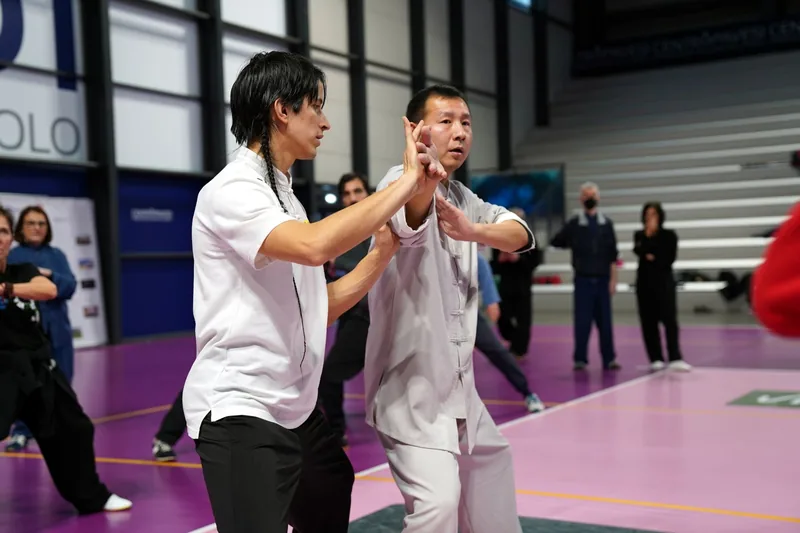
Global Martial Arts USA has been part of the Gallatin, TN community for over 50 years, and in that time the school has become something much more than a place to train. GMA is a community — a network of families, friendships, and shared purpose that extends well beyond the mat. Three community clubs form the backbone of that culture: the Guys Club, the Family Club, and the Ma’am’s Club. Together, they make sure every student and family member at GMA has a place where they belong.
Here’s what makes the GMA community different from your average martial arts school — and why so many families consider it a second home.
More Than a Martial Arts School
Walk into GMA on any given evening and you’ll see something that sets it apart immediately. Parents aren’t sitting in the lobby scrolling their phones while their kids train. They’re on the mat themselves, or they’re in conversation with other families, or they’re helping organize the next community event. The culture here is participation, not observation.
That culture didn’t happen by accident. Grandmaster K.O. Spillmann built GMA on the principle that martial arts training is about developing the whole person — not just physical skills. Respect, discipline, and service to others are woven into every class, every belt test, and every interaction between students. The community clubs are a natural extension of that philosophy, giving members structured ways to connect and support each other outside of regular training.
GMA has been voted the top martial arts school in Sumner County, and the community is a big reason why. Students stay for decades. Families train across generations. That kind of loyalty comes from genuine relationships, not marketing.
The Guys Club
The Guys Club is GMA’s brotherhood — a group for men and boys in the school who want connection and camaraderie beyond their regular TaeKwonDo or BJJ classes. Members build relationships through shared experiences both on and off the mat.
The Guys Club creates a space where men can be open, supportive, and genuine with each other — something that’s surprisingly rare. Whether it’s a group outing, a service project, or simply grabbing food after an evening training session, the Guys Club reinforces the idea that martial arts training builds character through community, not just technique.
The Ma’am’s Club
The Ma’am’s Club brings together the women, moms, and grandmothers of GMA. It’s a supportive, non-judgmental space where members share advice, encouragement, and experiences — both related to martial arts and life in general.
The club hosts planned events that give members a chance to relax, recharge, and connect outside the training environment. For many women at GMA, the Ma’am’s Club becomes a trusted support network. The daily encounters at the studio — waiting during kids’ classes, training in adult sessions, volunteering at events — evolve into real friendships. And those relationships make the entire GMA experience richer for everyone involved.
The Family Club
The Family Club reflects what GMA is at its core: a family school. This club brings entire families together for activities, events, and community service that strengthen bonds between parents, kids, and fellow GMA families.
When families train together, they develop a shared vocabulary of effort, respect, and perseverance. The Family Club extends that dynamic into social settings — potlucks, outings, holiday events, and volunteer projects that keep families connected. Kids see their parents modeling the same values they learn in class. Parents get to know the families their children train alongside. It creates an accountability network that supports everyone’s growth.
This is also what sets GMA apart for parents choosing a kids martial arts program. You’re not just signing your child up for kicks and punches — you’re joining a community that actively invests in your family’s wellbeing.
A Community Built on Shared Values
What ties all three clubs together is GMA’s foundational belief that martial arts training shapes every part of a person’s life. The Jidokwon philosophy — the School of Wisdom that guides GMA’s TaeKwonDo tradition — emphasizes wisdom, integrity, and service. Those values don’t stay on the mat. They show up in how members treat each other, how they serve the Gallatin community, and how they raise their families.
GMA’s instructors model this daily. Many are family members themselves — multiple generations of the Spillmann family teach and train at the school, creating a living example of what a martial arts family looks like. When students see their instructors practicing the same values they preach, it builds a trust that keeps the community strong year after year.
If you’re looking for a martial arts school that offers more than just technique — one where you’ll find genuine connection, mutual support, and a community that treats you like family — GMA has been building exactly that for over half a century.
Ready to Get Started?
Your first class is free. Whether you’re a complete beginner or an experienced martial artist, we’d love to welcome you to the GMA family.
The benefits of martial arts for kids and adults go far beyond learning kicks and punches. At Global Martial Arts USA in Gallatin, TN, we’ve spent over 50 years watching students of every age transform — physically, mentally, and socially — through consistent training. Whether your child is building confidence for the first time or you’re an adult looking for a fitness routine that actually sticks, martial arts delivers results that carry into every part of life.
Here’s what families at GMA experience when they step onto the mat together — and why martial arts remains one of the best activities for kids and adults alike.
Physical Benefits of Martial Arts Training
Martial arts training builds functional fitness that translates directly to everyday movement. For kids, that means improved coordination, balance, and motor skills during critical developmental years. For adults, it means full-body conditioning that challenges your cardiovascular system, builds lean muscle, and improves flexibility — all without the monotony of a standard gym routine.
Every class at GMA involves dynamic warm-ups, technique drills, and partner work that keeps your body guessing. Our TaeKwonDo program develops explosive kicking power and agility. Brazilian Jiu Jitsu builds grip strength, core stability, and full-body endurance through grappling. And our Tai Chi classes offer a gentler path for anyone focused on balance, joint health, and stress reduction.
The variety matters. Students who train across multiple disciplines — which GMA’s multi-art curriculum encourages — develop well-rounded physical abilities instead of overloading the same muscle groups week after week.
Benefits of Martial Arts for Kids: Confidence, Discipline, and Focus
Parents consistently tell us that martial arts changed their child in ways they didn’t expect. The physical skills are visible, but the deeper shifts — better focus at school, fewer meltdowns at home, a willingness to try hard things — those are the benefits that matter most.
Our kids martial arts program is built around age-appropriate challenges. Each belt rank requires students to learn new techniques, memorize forms, and demonstrate them in front of their peers and instructors. That process builds real confidence — the kind that comes from earning something difficult, not from participation trophies.
Discipline in martial arts isn’t about punishment. It’s about structure: showing up on time, bowing when you enter the dojang, listening to your instructor, and practicing even when it’s hard. Kids internalize these habits, and parents see the ripple effects at home and in the classroom. Our instructors, led by Grandmaster K.O. Spillmann with over 50 years of teaching experience, know how to push kids just enough to grow without overwhelming them.
Adult Benefits: Stress Relief, Community, and Self Defense Skills
Adults who start martial arts often come in looking for fitness and leave with something much bigger. Training is one of the most effective stress outlets available — there’s something about hitting pads, drilling techniques, and pushing through a tough round that resets your entire nervous system.
Beyond the physical release, adult students at GMA find a community they didn’t know they were missing. Training partners become friends. The shared experience of struggling through a new technique or preparing for a belt test creates bonds that don’t happen on a treadmill. GMA’s community clubs — including the Guys Club, Ma’am’s Club, and Family Club — extend that connection beyond the mat with social events and mutual support.
And then there’s the practical side: knowing how to protect yourself. Our self defense program teaches real-world skills drawn from multiple disciplines — striking from TaeKwonDo, joint locks from HapKiDo, and ground control from BJJ. That knowledge builds a quiet confidence that changes how you carry yourself every day.
Why Families Train Together at GMA
One of the most rewarding things we see at GMA is families training side by side. Parents take an adult class while their kids attend a youth session in the next room. Some families share the mat during open training or special events. The belt ranking system gives everyone in the family a shared language of progress and achievement.
Training together creates a bond that’s hard to replicate with other activities. Kids see their parents working hard, struggling with new techniques, and earning their own rank — and that modeling is more powerful than any lecture about perseverance. Parents, in turn, gain firsthand understanding of what their kids are learning, which makes it easier to reinforce those lessons at home.
At GMA, voted the top martial arts school in Sumner County, the family atmosphere isn’t a marketing line — it’s the foundation of how we operate. Many of our instructors are family members themselves, and that culture of mutual respect and support shapes every class we teach.
Ready to Get Started?
Your first class is free. Whether you’re a complete beginner or an experienced martial artist, we’d love to welcome you to the GMA family.
GMA accepts students as young as three years old in our Little Lions program. Each age group trains with peers at their developmental level, so younger children build coordination and listening skills through movement-based games before progressing to formal technique training. Our instructors are Safe Sport Certified and experienced with all age groups.
Can parents and kids take classes at the same time?
Yes. GMA’s schedule is designed so adult and youth classes often run in parallel. Parents can train in a TaeKwonDo, BJJ, or self defense class while their kids attend a youth session. Some families also train together during open mat sessions and special events throughout the year.
Is martial arts safe for kids?
Martial arts is one of the safest organized sports for children when taught by qualified instructors. At GMA, our Safe Sport Certified staff prioritize proper technique, age-appropriate contact levels, and a respectful training environment. Injury rates in martial arts are consistently lower than in football, basketball, and soccer.
Knowing practical self defense isn’t about learning to fight — it’s about learning to stay safe. Most dangerous situations can be avoided entirely with the right awareness, habits, and mindset. At Global Martial Arts USA in Gallatin, TN, we teach our students that real self defense starts long before a physical confrontation ever happens. This guide covers the core knowledge every person should carry with them, whether you’re walking to your car at night, traveling alone, or simply going about your daily routine.
Below, you’ll learn the awareness principles, boundary-setting skills, physical basics, and environmental strategies that make up a well-rounded approach to personal safety.
Situational Awareness: Your First Line of Practical Self Defense
Situational awareness is the foundation of everything we teach in our self defense classes. It means paying active attention to your surroundings — who is nearby, what the exits are, and whether anything feels off. Attackers look for easy targets: people distracted by their phones, wearing headphones in both ears, or walking without purpose.
Build these habits into your daily life. When you enter a room, restaurant, or parking garage, scan for exits. Keep your head up and make brief eye contact with people around you — this signals that you’re alert and aware. Avoid walking with your face buried in your phone, especially in unfamiliar or poorly lit areas. These small adjustments don’t require any training at all, but they dramatically reduce your risk.
At GMA, we call this “reading the room before the room reads you.” Our instructors, backed by over 50 years of martial arts experience, emphasize that the best fight is the one you never have to be in.
Setting Boundaries and De-Escalation
Most confrontations don’t start with a punch — they start with a conversation. Someone approaches you aggressively, invades your personal space, or tries to provoke a reaction. Knowing how to set a firm verbal boundary is one of the most valuable self defense skills you can develop.
Use a clear, assertive voice. Face the person, keep your hands up in a non-threatening but ready position (palms out, roughly chest height), and use direct language: “Back up,” “I don’t want any trouble,” or simply “Stop.” This does two things — it establishes that you’re not an easy target, and it creates witnesses if anyone is nearby.
De-escalation isn’t weakness. Walking away from a heated argument, crossing the street to avoid a suspicious person, or leaving a venue when tensions rise — these are smart decisions, not cowardly ones. The students in our HapKiDo program learn this principle early: control the situation before it controls you.
Physical Basics Everyone Should Know
If avoidance and de-escalation fail, you need a small set of reliable physical responses. You don’t need a black belt to protect yourself. You need a few techniques practiced enough that they become instinctive under stress.
Create distance. Your first goal in any physical encounter is to create space between you and the threat. Push away, step back, and look for an escape route. Running is always a valid self defense strategy.
Break a grab. If someone grabs your wrist, pull sharply toward the gap between their thumb and fingers — the weakest point of any grip. Combine this with a loud shout to startle the attacker and attract attention.
Strike to escape. If you must strike, target areas that create maximum effect with minimum skill: an open-palm strike to the nose, a knee to the groin, or a stomp to the top of the foot. These aren’t about winning a fight — they’re about creating a window to get away safely.
Protect your head. Keep your chin down, hands up, and elbows tight. If you’re knocked to the ground, curl into a protective position, cover your head, and get back to your feet as quickly as possible.
Safety Strategies for Common Scenarios
Practical self defense means thinking ahead about the situations you encounter regularly. Here are strategies for some of the most common ones.
Parking lots and garages. Have your keys in hand before you leave the building. Check the back seat before getting in. Park near lights and high-traffic areas when possible. If someone is loitering near your car, don’t approach — go back inside and ask for an escort or call for help.
Walking alone. Stay on well-lit, populated routes. Walk with purpose and confidence. If you feel followed, cross the street or change direction. Step into a store, restaurant, or any open business. Trust your instincts — if something feels wrong, act on that feeling.
Rideshares and taxis. Verify the driver’s name, car model, and license plate before getting in. Share your trip details with a friend or family member. Sit in the back seat on the passenger side for the easiest exit.
At home. Keep doors locked, even when you’re inside. Don’t open the door to unexpected visitors without verifying who they are. If you arrive home and something looks wrong — a door ajar, a broken window — don’t go in. Call 911 from a neighbor’s house or your car.
Why Training Makes the Difference
Reading about self defense is a good start, but it’s no substitute for hands-on practice. Under stress, your body defaults to what it has rehearsed. That’s why students who train regularly at GMA respond faster, think more clearly, and carry themselves with a confidence that discourages trouble in the first place.
Our self defense curriculum draws from multiple disciplines — TaeKwonDo for powerful striking, HapKiDo for joint locks and control, and Brazilian Jiu Jitsu for ground defense. This multi-discipline approach, refined over 50+ years by our instructors, gives students a well-rounded skill set that works in real situations, not just in the dojang.
Whether you’re a current student looking to sharpen your awareness or someone considering martial arts training for the first time, the principles in this guide are ones you can start applying today. And if you want to take your skills further, our belt ranking system provides a clear path of progression that builds confidence at every level.
Ready to Get Started?
Your first class is free. Whether you’re a complete beginner or an experienced martial artist, we’d love to welcome you to the GMA family.
What is the most important self defense skill for everyday life?
Situational awareness. Being alert to your surroundings, identifying exits, and recognizing potential threats before they escalate is far more effective than any physical technique. Most dangerous situations can be avoided entirely when you stay aware and trust your instincts.
Do I need martial arts training to defend myself?
You don’t need a black belt to stay safe. The awareness habits, boundary-setting skills, and basic physical responses covered in this guide are available to everyone. However, regular training builds muscle memory and confidence that make these skills more effective under real stress. Even a few months of consistent practice can make a significant difference.
What martial arts style is best for practical self defense?
There’s no single best style — each discipline covers different scenarios. TaeKwonDo builds striking power and distance management, HapKiDo teaches joint locks and control techniques, and Brazilian Jiu Jitsu covers ground defense. At GMA, our self defense program combines elements from multiple arts so students develop a well-rounded skill set that works in real situations.
If you’ve trained in TaeKwonDo long enough, you’ve probably heard the word Jidokwon. But what does it mean, and why does it matter to your training? Jidokwon is one of the original nine martial arts schools (kwans) that shaped modern TaeKwonDo — and its philosophy is woven into the fabric of how we train at Global Martial Arts USA.
Jidokwon translates directly from Korean: Ji (지) means Wisdom, Do (도) means Way, and Kwan (관) means School. Together, Jidokwon is “The School of Wisdom” — sometimes called the Wisdom School of TaeKwonDo.
The Origins of Jidokwon
Jidokwon is one of the nine original kwans established in Korea in the years following World War II and the end of Japanese occupation. These kwans were the founding schools that would eventually unify under the banner of TaeKwonDo as we know it today. Each kwan brought its own philosophy, training methods, and lineage to the art.
The Jidokwon school distinguished itself through its emphasis on wisdom, perseverance, and the integration of mind and body. While other kwans focused primarily on physical technique or combat application, Jidokwon placed equal weight on the philosophical and spiritual development of the practitioner.
The Jidokwon Symbol Explained
The Jidokwon emblem is rich with meaning. Every element — from the circles to the colors to the central figure — carries symbolic significance rooted in Eastern philosophy.
The symbol is made up of three main circles, each whole with no beginning or end. The large outer circle represents the universe, holding all we know within its boundaries. The larger inner circle represents Earth. The smaller inner circle represents life on Earth. When placed together, these three circles show the interconnection between the cosmos, our planet, and all living beings.
The colors of the emblem are significant: Red represents energy, power, courage, and attention. Gold stands for God, spirituality, and freedom. Blue symbolizes peace, calm, and friendship.
At the center sits a representation of Bodhidharma, also known as Daruma or Tamo. The traditional Daruma figure is designed to be balanced — if knocked down, it rights itself automatically. This represents the core Jidokwon philosophy: “Seven times down, eight times up.” Get knocked down nine times, get up ten. Never give up. Never quit.
The Palsungdo: Eight Solemn Ways
The eight outer petals of the Jidokwon symbol are the Buddhist lotus flower, representing the Palsungdo — the Eight Solemn Ways (also known as the Eight-Fold Path). These petals trace back thousands of years to early symbols found in Northern India, later adapted by Buddhist artisans to represent the unfolding of the enlightened mind.
The Eight Solemn Ways fall into three categories of discipline that guide every aspect of a Jidokwon practitioner’s life — not just their time on the mat.
Ethical Discipline (Sila)
Right Speech (Samma Vaca) — Practice being true and courteous in all communication. Aim to promote peace, harmony, and unity. If you have nothing of value to say, maintain a dignified silence.
Right Action (Samma Kammo) — Act from a clear mind with wholesome conduct that helps others live a peaceful and prosperous life. The motive behind the action is more important than the deed itself.
Right Livelihood (Samma Ajivo) — Participate in work, organizations, and communities that are compatible with Right Action, so that your efforts contribute to the greater good.
Mental Discipline (Samadhi)
Right Effort (Samma Vayamo) — The continuous will to achieve self-reliance. Prevent unwholesome states of mind from arising, remove those that already exist, develop good states of mind, and pursue even more of them.
Right Awareness (Samma Sati) — The path of mental liberation. Don’t dwell in the past — study the world and aim to live in the present with full attention. The present moment offers the greatest opportunities. All that we are is the result of all that we have thought, been, and done.
Right Concentration (Samma Samadhi) — Take charge of your thoughts. Focus the mind like a laser on the subject at hand, to the exclusion of all else, until you gain full comprehension. A complete unification where subject and object become one.
Intellectual Discipline (Panna)
Right Thought (Samma Sankappo) — We become what we think. Fill your thoughts with subject matter that enhances the lives of all beings. Work to uncover and resolve emotional obstructions that prevent clear reasoning.
Right Understanding (Samma Ditthi) — Strive for an intellectual grasp of truth. Observe the true nature of yourself and all things, without labels and preconceptions. Only when the mind is free from selfishness and self-destruction is this deep, penetrating insight possible.
Jidokwon at Global Martial Arts USA
At GMA, the Jidokwon philosophy isn’t just historical context — it’s a living part of how we train. Our founder, Grandmaster Spillmann, carries over 50 years of martial arts experience rooted in these traditions. The principles of perseverance, wisdom, ethical conduct, and mental discipline are woven into every class, from kids martial arts to advanced black belt training.
When we teach students Korean terminology, when we explain the meaning behind the belt ranking system, when we emphasize respect and discipline in the dojang — we’re carrying forward the Jidokwon tradition of developing the whole person, not just the fighter.
The Daruma figure at the center of the Jidokwon emblem captures it perfectly: no matter how many times you fall, you get back up. That’s the spirit we cultivate at GMA — in TaeKwonDo, in HapKiDo, in self defense, and in life.
Ready to Get Started?
Your first class is free. Whether you’re drawn to the physical discipline or the philosophical depth of the martial arts, we’d love to welcome you to the GMA family. Our instructors will guide you through every aspect of the art — technique, tradition, and the wisdom that makes it meaningful.
Jidokwon translates from Korean as “The School of Wisdom.” Ji means wisdom, Do means way, and Kwan means school. It’s one of the nine original martial arts schools that helped create modern TaeKwonDo.
What is the Jidokwon symbol?
The Jidokwon emblem features three concentric circles (representing the universe, Earth, and life), surrounded by eight lotus petals (the Palsungdo or Eight Solemn Ways), with a Daruma (Bodhidharma) figure at the center symbolizing perseverance — the principle that no matter how many times you fall, you always get back up.
How does Jidokwon philosophy apply to training?
Jidokwon philosophy teaches that martial arts training develops the whole person — not just physical technique, but wisdom, ethical conduct, mental focus, and perseverance. At GMA, these principles are integrated into every class, from how students address their instructors to how they approach challenges both on and off the mat.
Does GMA teach Buddhism or require meditation?
No. While Jidokwon’s historical roots reference Buddhist philosophy (the lotus petals, the Daruma figure, the Eight Solemn Ways), Global Martial Arts USA is a Christian-based academy that teaches Christian values, etiquette, and manners. We focus on the tenets of GMA TaeKwonDo — perseverance, dedication, commitment, honor, integrity, self-control, indomitable spirit, loyalty, family values, and unity amongst members. We do not teach the spiritual or religious aspects of Jidokwon’s Buddhist origins. Spiritual practice is up to the individual practitioner. We welcome all people of all religions and all races. If you already have faith and believe in God, training will only bring you closer to your own beliefs. We believe in developing the whole person, and that path is yours to walk.
One of the first questions every new martial arts student asks is: what do the belt colors mean? The martial arts belt ranking system is more than just a visual marker — each color represents a stage of growth, knowledge, and commitment on your journey from beginner to black belt.
At Global Martial Arts USA, our belt system follows the traditional Korean TaeKwonDo ranking structure. This guide breaks down every belt color, what it symbolizes, and what’s expected at each level — from your very first white belt all the way through 9th Dan Black Belt.
How the Belt Ranking System Works
Korean martial arts use two ranking categories. Gup (also spelled Kup) ranks are the color belt levels — these are the ranks you progress through as a beginner and intermediate student. Dan ranks are the black belt degree levels, starting at 1st Dan and going up to 9th Dan.
The Gup system counts down — a 10th Gup (white belt) is the most junior, and a 1st Gup (black stripe belt) is the most senior color belt. Once you earn your black belt, the Dan system counts up — 1st Dan, 2nd Dan, and so on.
Belt promotions aren’t automatic. Students must demonstrate proficiency in forms (poomse), techniques, sparring, and knowledge of Korean terminology before advancing. Your instructors evaluate your progress and determine when you’re ready to test. The minimum time at each Gup level is 3 months, but curriculum and class time requirements must also be completed.
Color Belt Ranks (Gup Levels)
Each belt color in TaeKwonDo carries symbolic meaning rooted in nature and the student’s growth. Here’s every rank from your first day to the doorstep of black belt.
White Belt — 10th Gup
The white belt represents a blank slate — purity and the beginning of your martial arts journey. Every student starts here, regardless of age or athletic background. At this level, you’ll learn basic stances, your first kicks, and the foundational etiquette of the dojang (training hall).
Yellow Tag Belt — 9th Gup
A white belt with a yellow stripe. This is your first promotion and signals that the seed has been planted. You’ve demonstrated the basics and shown the discipline to continue training.
Yellow Belt — 8th Gup
The yellow belt symbolizes the earth where the seed takes root. You’re building a solid foundation of basic techniques, learning your first forms, and developing coordination and balance.
Green Tag Belt — 7th Gup
A yellow belt with a green stripe. You’re transitioning from basic fundamentals to more complex techniques. The green tag signals that your skills are beginning to sprout.
Green Belt — 6th Gup
The green belt represents the plant beginning to grow. Your techniques are becoming sharper, your forms more precise, and you’re starting to understand the deeper principles behind each movement.
Blue Tag Belt — 5th Gup
A green belt with a blue stripe. You’re reaching toward the sky — your training is becoming more advanced and your understanding of martial arts philosophy is deepening.
Blue Belt — 4th Gup
The blue belt represents the sky that the plant grows toward. At this level, you’re an intermediate student with solid fundamentals. Your kicks are higher, your forms are cleaner, and you’re beginning to develop your own style within the structure of the art.
Blue Tag Belt (Red Stripe) — 3rd Gup
A blue belt with a red stripe. You’re approaching the advanced color belt ranks. At this level, students at GMA can begin leadership training and assist with younger students’ classes.
Red Belt — 2nd Gup
The red belt symbolizes danger — both the power the student now possesses and the caution needed to use it wisely. Red belt students demonstrate strong technique, advanced forms, and competitive sparring ability.
Black Tag Belt — 1st Gup
A red belt with a black stripe — the final step before black belt. This is the most senior color belt rank. Students at this level are refining every aspect of their martial arts: precision, power, mental discipline, and readiness for the Dan examination.
Black Belt Ranks (Dan Levels)
Earning a black belt is not the end of the journey — it’s the beginning of a deeper one. The Dan ranking system has nine degrees, each requiring progressively more years of training, teaching, and contribution to the art.
1st Dan — Training Instructor
Minimum 3.5 to 4 years of total training. A 1st Dan black belt can serve as a Training Instructor at GMA, assisting certified instructors in classes. For juniors (ages 10-15), this rank is called 1st Poom (Junior Black Belt).
2nd Dan — Certified Instructor
Minimum 3 years at 1st Dan, with 6 to 8 years of total training. A 2nd Dan holder can become a Certified Instructor — qualified to lead classes independently. Must be at least 18 years old and pass a background check, SafeSport exam, and coaching certification.
3rd Dan — Certified Instructor
Minimum 3 years at 2nd Dan, with 7 to 10 years of total training. Continued deepening of expertise, teaching ability, and contribution to the school community.
4th Dan — Certified Senior Instructor
Minimum 4 years at 3rd Dan, with 15 to 17 years of total training. Minimum age 25. A 4th Dan or higher must test in front of several internationally certified Grandmaster-level examiners. If a student earned Poom (Junior Black Belt) at a young age, they can potentially reach 4th Dan by age 20.
5th Dan — Master Level Instructor
Minimum 5 years at 4th Dan, with 18 to 20 years of total training. Minimum age 30. Only Master-level instructors (5th Dan and above) can test black belt candidates. This is the threshold of true mastery in the art.
6th Dan — Master Level Instructor
Minimum 6 years at 5th Dan, with 23 to 25 years of total training.
7th Dan — Master Level Instructor
Minimum 7 years at 6th Dan, with 28 to 32 years of total training. At this level, the title changes from Master to Grandmaster (KwanJangNim in Korean).
8th Dan — Grandmaster
Minimum 8 to 10 years at 7th Dan, with 40 years of total training. Minimum age 52.
9th Dan — Grandmaster
Minimum 8 to 10 years at 8th Dan, with 50 years of total training. Minimum age 60. The highest achievable rank in TaeKwonDo. At GMA, our founder KwanJangNim Spillmann holds a 9th Degree Black Belt — representing over 50 years of dedication to the martial arts.
GMA Instructor Certification Standards
At Global Martial Arts USA, we hold our instructors to the highest standards. Only Certified Instructors (2nd Dan Black Belt or higher) can lead classes — all uncertified individuals can only assist under the direction of a certified instructor.
To become a GMA Certified Instructor, you must pass a background check, complete a yearly SafeSport exam, pass a coaching exam, attend rules seminars, and participate in monthly instructor training classes to maintain your teaching credentials. These standards ensure that every student at GMA learns from qualified, vetted, and continuously improving instructors.
How Long Does It Take to Get a Black Belt?
At GMA, the minimum time from white belt to 1st Dan black belt is approximately 3.5 to 4 years for adults. For children who begin as Junior Black Belts (Poom), the timeline can be 3.5 to 8 years depending on age and dedication.
There are no shortcuts. Each Gup level requires a minimum of 3 months in rank, plus completion of curriculum requirements and class attendance. Your instructors at GMA will work with you individually to ensure you’re prepared for each promotion — the goal isn’t speed, it’s genuine skill development.
If you’re interested in exploring other martial arts styles alongside TaeKwonDo, GMA offers HapKiDo, Brazilian Jiu Jitsu, Tai Chi, Wing Chun, and self defense classes — each with their own ranking systems and progression paths.
Ready to Get Started?
Your first class is free. Whether you’re a complete beginner eyeing that white belt or an experienced martial artist looking to continue your journey, we’d love to welcome you to the GMA family.
How long does it take to get a black belt in TaeKwonDo?
At GMA, the minimum time from white belt to 1st Dan black belt is approximately 3.5 to 4 years for adults. Each Gup (color belt) level requires a minimum of 3 months plus completion of curriculum and class time requirements. The actual timeline depends on your dedication, attendance, and individual progress.
Can kids earn a black belt?
Yes. Children ages 10-15 can earn a Poom (Junior Black Belt), which is equivalent to a Dan rank but designated for younger students. Junior black belts can serve as assistant instructors for younger children’s classes. The minimum training time for a 1st Poom is 3.5 to 8 years depending on the student’s age and when they begin.
What does each belt color mean?
Each color represents a stage of growth inspired by nature. White represents a blank beginning, yellow is the earth where the seed roots, green is the growing plant, blue is the sky the plant reaches toward, red represents danger and power, and black symbolizes maturity and mastery. Stripe belts (tags) mark the transition between each solid color rank.
Walking into your first TaeKwonDo class and hearing the instructor call out commands in Korean can feel overwhelming. But learning Korean martial arts terminology is one of the most rewarding parts of training — it connects you to centuries of tradition and helps you understand the art on a deeper level.
This glossary covers every Korean term you’ll hear at Global Martial Arts USA, from basic commands and counting to advanced kick and strike terminology. Bookmark this page and come back to it as you progress through the ranks.
Terms of Rank
Understanding rank titles is one of the first things you’ll learn. In Korean martial arts, how you address your instructors matters — it’s a sign of respect built into the culture of the dojang (training hall).
Kwan Jang Nim — Grandmaster (7th Dan and above). At GMA, our founder KwanJangNim Spillmann holds this title with over 50 years of martial arts experience and a 9th Degree Black Belt.
Sa Bum Nim — Master Instructor (4th to 6th Dan). These are senior instructors who have spent years mastering multiple aspects of the art.
Kyo Bum Nim — Instructor (2nd and 3rd Dan). Certified instructors who lead classes and guide students through curriculum.
Kyo Sa Nim — Training Instructor (1st Dan). High-ranking black belts who assist in teaching.
Sun Bae Nim — Senior Dan Holder (4th Dan and above).
Dan — Black Belt degree levels. A 1st Dan is a first-degree black belt, a 9th Dan is the highest achievable rank.
Gup — Color belt ranks, from Yellow Belt through Red Belt. These are the levels you progress through before reaching your first Dan.
Essential Commands
You’ll hear these commands in every class. They’re the backbone of Korean martial arts terminology and the first words most students memorize.
Chariot — Attention. Stand straight, feet together, eyes forward.
Kyong Ne — Bow. Always bow when entering and leaving the dojang, and when greeting your instructor.
Choonbi — Ready. Assume your ready stance.
Shijak — Start. Used to begin sparring or a drill.
Kooman — Stop.
Kallyo — Separate. Used during sparring when fighters clinch.
Kyesok — Continue.
Basic Korean Terms
These foundational terms appear throughout your training. Many of them combine with other words to form technique names — once you learn these building blocks, longer terms start making sense.
Tae — Foot. Kwon — Fist (or “to smash with the fist”). Do — Way. Together, TaeKwonDo literally means “the way of the foot and fist.”
Poomse — Pattern (also called forms). Choreographed sequences of techniques that teach balance, power, and flow.
Dojang — Training hall. Your martial arts school.
Dobok — Uniform. The traditional white training uniform worn in class.
Hoogo — Body armor. The protective chest guard used in sparring.
Oreun — Right. Wen — Left. You’ll hear these constantly when your instructor calls out which side to use.
Chung — Blue. Hong — Red. These designate the two competitors in tournament sparring.
Stances (Sogi)
Every technique in TaeKwonDo starts from a stance. A strong stance means a strong technique — there’s no shortcut. Sogi means “stance” in Korean, and you’ll see it as a suffix on every stance name below.
Ap Sogi — Walking Stance. A natural, forward-facing stance used for basic movement.
Ap Kobi — Long Stance (also called Front Stance). A deep, powerful stance for forward attacks.
Joochum Sogi — Horse Stance (Sitting Stance). Feet wide, knees bent, weight centered. One of the most important stances for building leg strength and stability.
Dwi Kobi — Back Stance. Weight shifts to the rear leg, allowing quick front-leg kicks.
Bom Sogi — Tiger Stance. A light, agile stance with most weight on the back leg.
Moa Sogi — Close Stance. Feet together, used for formal positions.
Koa Sogi — Cross Stance. One foot crosses behind the other.
Kicks are the heart of TaeKwonDo. The Korean word Chagi means “kick,” and it appears as a suffix in every kicking technique. Once you know the directional prefixes, you can decode any kick name.
Ap Chagi — Front Kick. The most fundamental kick — straight forward, snapping the hip.
Dolliyo Chagi — Turning Kick (Roundhouse Kick). The most commonly used kick in sparring. Rotate your hip, whip the leg around.
Yop Chagi — Side Kick. A powerful linear kick driven by the hip. One of the strongest kicks in any martial art.
Dwi Chagi — Back Kick. Turn your back to the target and thrust straight behind you. Devastating power.
Naeryo Chagi — Axe Kick. Raise the leg high and bring it straight down onto the target.
Horyo Chagi — Reverse Turning Kick (Spin Hook Kick). A spinning kick that whips around with the heel.
Ap Horyo Chagi — Hook Kick. Swing the leg past the target, then snap it back with the heel.
An Chagi — Inner Crescent Kick. Bakat Chagi — Outer Crescent Kick. Sweeping kicks that travel in an arc.
Mirro Chagi — Push Kick. A defensive kick used to create distance.
Twimeo Chagi — Jumping Kick. Any kick performed while airborne.
Cha Jun Bal Chagi — Skipping Kick. A closing-distance kick where you skip forward before striking.
Blocks (Maki)
Maki means “block.” In TaeKwonDo, blocks aren’t just defensive — a strong block can redirect an opponent’s energy and set up your counter-attack.
Aree Maki — Lower Block (Leg Block). Sweeps downward to deflect low kicks and punches.
Momtong Maki — Middle Block (Body Block). Protects the midsection.
Olgool Maki — High Block (Face Block). The forearm rises above the head to deflect downward strikes.
Sohn Nal Maki — Knife Hand Block. An open-hand block using the edge of the hand — the classic “karate chop” motion, though in TaeKwonDo it’s a block, not a strike.
Hechyo Maki — Wedge Block. Both arms spread outward simultaneously to clear attacks from both sides.
Eotgesreo Maki — Cross Wrist Block. Wrists cross to create a strong, compact block.
Ba Tang Sohn Maki — Palm Heel Block. Stanteel Maki — Mountain Block. Kawi Maki — Double Block.
Punches and Strikes (Jireugi and Chigi)
While TaeKwonDo is famous for its kicks, hand techniques are equally important. Jireugi means “punch” and Chigi means “strike” — the difference is that punches use a closed fist while strikes can use the elbow, knife hand, palm, or ridge hand.
Ap Jireugi — Front Punch. The most basic and most practiced hand technique.
Baro Jireugi — Reverse Punch. Rear hand punches forward — generates maximum power from hip rotation.
Bandi Jireugi — Obverse Punch. Lead hand punches forward.
Doong Chumok — Back Fist. A quick, whipping strike with the back of the knuckles.
Me Chumok — Hammer Fist. A downward strike using the bottom of the fist.
Palkup Chigi — Elbow Strike. One of the most powerful close-range strikes in any martial art.
Sohn Nal Chigi — Knife Hand Strike. The famous open-hand strike using the edge of the palm.
Sohn Nal Mok Chigi — Knife Hand Neck Strike. Same technique targeted at the neck.
Ba Tang Sohn Chigi — Palm Heel Strike. Mur Chigi — Knee Strike. Pyong Sohn Keut Chigi — Spear Hand Strike.
Combat and Sparring (Qurogee)
Qurogee means “sparring” — it’s where you put everything together against a live partner. Sparring is one of the best ways to develop timing, distance, and composure under pressure.
Jayo Qurogee — Free Sparring. Open-format sparring where both partners can attack and defend freely.
Macho Qurogee — Competition Sparring. Full-contact sparring under tournament rules with electronic scoring.
Hanbon Qurogee — One Step Sparring. A structured drill where one partner attacks with a single technique and the other defends and counters.
Eebon Qurogee — Two Step Sparring. Sebon Qurogee — Three Step Sparring. Progressive drills that build reaction time and technique chains.
Ho Sin Sul — Self Defense. Practical defense techniques against grabs, holds, and real-world attacks. GMA offers dedicated self defense classes that incorporate Ho Sin Sul principles.
Poomse / Tul — Pattern (Forms). Choreographed sequences that are the foundation of rank testing.
Taegeuk — The parent name for the first 8 WTF (World TaeKwonDo) patterns. Hyungs — The parent name for ITF 24 patterns.
Body Parts (Anatomy)
These terms combine with technique names to indicate targets. For example, Olgool Maki = Face (Olgool) + Block (Maki) = High Block.
Beyond the basic rank titles, Korean martial arts has a rich vocabulary for different teaching and organizational roles. Here’s the complete hierarchy you may encounter at GMA or at TaeKwonDo events and tournaments.
Do Joo Nim — Founder of the art. Kwan Jang Nim — Grandmaster. Chung Sah Nim — Chief Instructor (Chief Master).
Sah Bum Nim — Master Instructor. Sah Boo Nim — A more intimate, respectful form meaning “teaching father.”
Kyo Sah Nim — Teacher. Sun Bae Nim — Senior Student. Hu Bae Nim — Junior Student.
Joo Sim — Referee. Bu Sim — Judge. Bae Sim — Juror. Kae Sim — Timekeeper. Ki Rohk — Recorder.
Ready to Get Started?
Your first class is free. Whether you’re a complete beginner or an experienced martial artist, we’d love to welcome you to the GMA family. Our instructors — led by Grandmaster Spillmann with over 50 years of experience — will guide you through every term, technique, and tradition.
No — you don’t need to be fluent. You’ll naturally pick up the most common commands and counting within your first few weeks of class. This glossary is here as a reference to help you learn at your own pace. Most students find that the Korean terms become second nature after a few months of regular training.
Why do martial arts classes use Korean terminology?
TaeKwonDo and HapKiDo are Korean martial arts, and using the original language preserves the art’s heritage and creates a universal vocabulary. A student from Gallatin, Tennessee can walk into a dojang anywhere in the world and understand the same commands. It’s also a sign of respect for the art’s origins.
What’s the difference between Dan and Gup ranks?
Gup ranks are the color belt levels — from White Belt through Red Belt — that students progress through before reaching Black Belt. Dan ranks are the Black Belt degree levels, starting at 1st Dan and going up to 9th Dan (the highest). At GMA, our founder KwanJangNim Spillmann holds a 9th Degree Black Belt in TaeKwonDo.